Discover the captivating world of independent game developers and learn how these innovative creators bring unique gaming experiences to life. This guide, tailored for USA audiences, explains the entire journey from initial concept to a game's release, highlighting the creative freedom and passion driving indie studios. We explore the definition of an independent developer, the challenges they overcome, and the diverse games they produce. You will find out about funding strategies, effective marketing tactics, and how community engagement plays a crucial role. Understanding this process offers insight into where to find these amazing games and why supporting independent developers enriches the entire gaming landscape. Explore the benefits of playing indie games and uncover practical ways to back these visionary creators, ensuring a vibrant future for creative gaming innovation.
- What is an indie game development studio? - An indie game development studio is a small team or single creator making video games independently, without the financial or creative control of a large publisher. They often self-fund or use alternative methods to bring their unique visions to life.
- How do independent developers release their games? - Independent developers primarily release their games through digital storefronts such as Steam, itch.io, Epic Games Store, and console eShops like the PlayStation Store or Nintendo eShop. They handle self-publishing directly or partner with small indie publishers.
- What makes independent games different from AAA games? - Independent games typically offer more creative freedom, often leading to innovative gameplay, unique art styles, and experimental narratives. Unlike AAA games, they usually have smaller budgets and teams, focusing on distinct experiences rather than broad commercial appeal.
- Can I become an independent game developer with no experience? - Yes, many independent game developers start with limited experience, learning through online tutorials, game jams, and community resources. Essential skills like programming, art, and design can be acquired over time, fostering a path into indie game creation.
- Are independent games typically cheaper than mainstream titles? - Independent games often have a lower price point than mainstream AAA titles due to smaller production budgets and development teams. However, pricing can vary widely depending on the game's scope, quality, and the developer's strategy.
- How important is community feedback for independent game developers? - Community feedback is vital for independent game developers. Player input helps refine gameplay, identify bugs, and improve overall design. Engaging with the community also builds a loyal player base and generates valuable word-of-mouth marketing for the game.
- What tools do independent game developers commonly use? - Independent game developers frequently use game engines like Unity or Unreal Engine for development. Other common tools include graphic design software such as Adobe Photoshop or GIMP, and audio editing software for sound design and music creation.
- Can You Play Candy Crush Offline Guide and Tips
- Guide: Roblox Transactions Pending Fixes 2024
- GTA 6 PC Specs: Your Ultimate Requirements Guide
What is an independent game developer?
An independent game developer creates games without financial backing or creative control from a major publisher. They often self-fund their projects or seek alternative funding, prioritizing artistic vision and innovative gameplay over mainstream commercial trends.
How do indie game developers fund their projects?
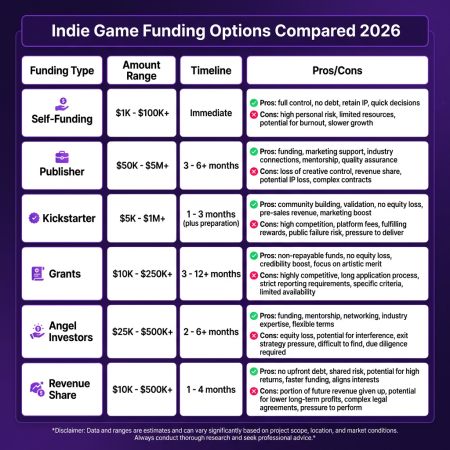
Independent game developers typically fund projects through self-investment, crowdfunding platforms like Kickstarter, grants from organizations, or by partnering with smaller, indie-focused publishers. Some also use early access programs to generate revenue during development.
What are some popular independent games?
Many independent games have achieved widespread popularity. Examples include Minecraft, Stardew Valley, Hollow Knight, Celeste, Among Us, and Hades. These titles demonstrate the creative and commercial success achievable outside large studio systems.
Why should I play games from independent developers?
Playing independent games offers unique, innovative gameplay experiences often absent from mainstream titles. It supports creative diversity in the gaming industry, allowing developers to explore unconventional ideas and art styles. You discover hidden gems and fresh perspectives.
How can I support independent game creators?
You can support independent game creators by purchasing their games, leaving positive reviews, and sharing your experiences on social media. Engaging with them on forums, providing constructive feedback, and participating in crowdfunding campaigns also makes a big difference.
What challenges do independent game developers face?
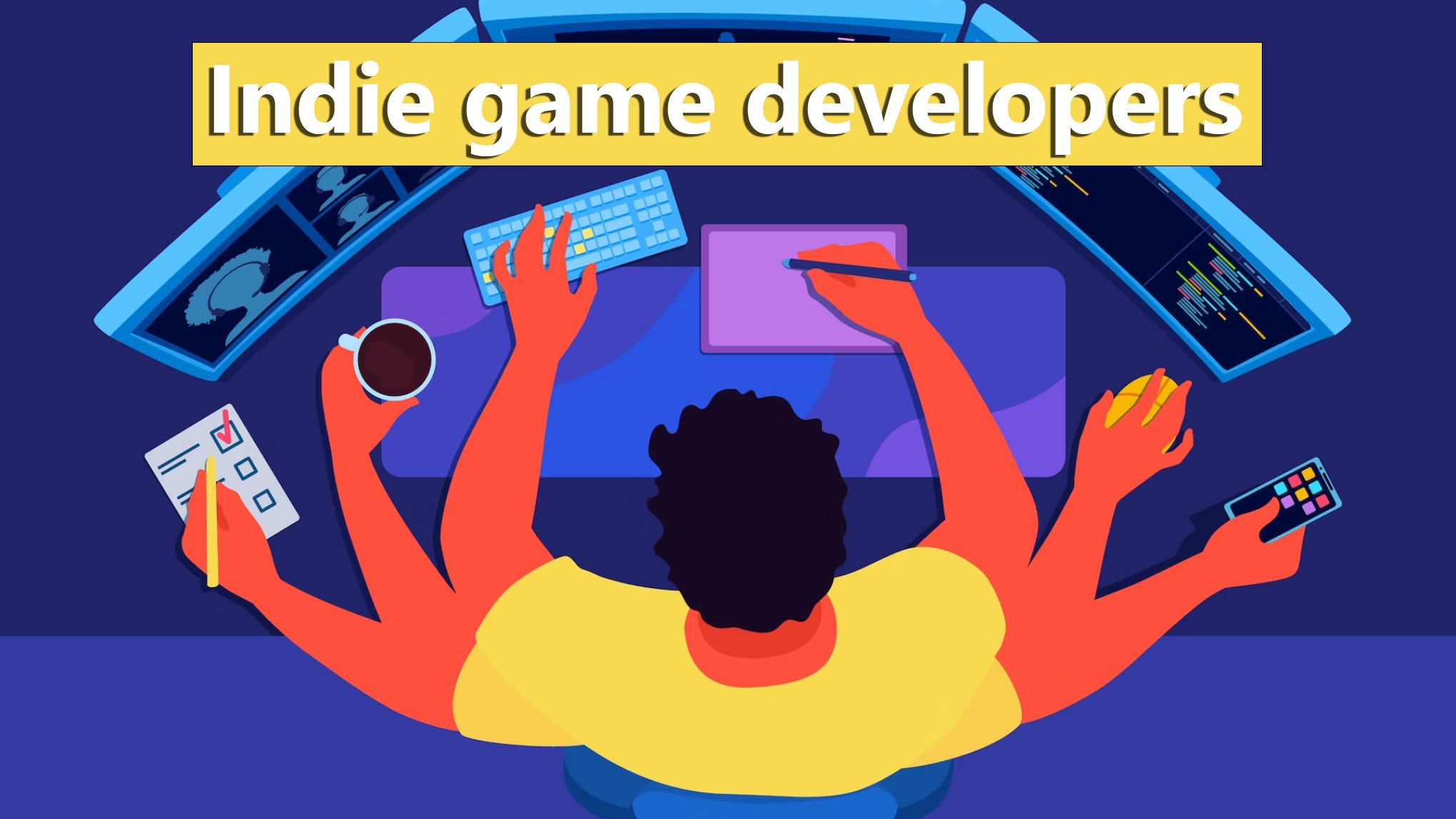
Independent game developers frequently face challenges such as limited funding, intense competition for visibility, managing small teams, and handling all aspects of development, from coding and art to marketing and community management. Time and resource constraints are common hurdles.
Where can I find new independent games to play?
New independent games are available on digital storefronts like Steam, itch.io, Epic Games Store, and console eShops. You can also discover new titles by following gaming news sites, attending virtual indie showcases, and exploring curated lists on platforms like Humble Bundle.
How Do Independent Game Developers Create New Games?
Independent game developers represent a vibrant, essential part of the modern gaming industry. They are the visionaries who often work outside the large corporate structures of major publishers, bringing fresh ideas and unconventional gameplay mechanics to players around the world. These creators pour their passion into crafting experiences that frequently push boundaries, offering unique narratives and innovative design.
Unlike massive studios with hundreds of employees and colossal budgets, independent game developers frequently operate with smaller teams, sometimes even solo. This leaner setup allows for greater creative control and a direct connection to the project's vision, often resulting in deeply personal and artistically distinct games. Players often seek out these titles for something different from mainstream releases.
Understanding the process behind independent game development gives players a deeper appreciation for the games they enjoy. This article walks you through how these dedicated creators transform raw ideas into polished digital worlds, explaining the complex steps from initial concept to final release. You will discover the practicalities, the passion, and the innovative spirit that defines this crucial sector of the gaming community.
What Defines an Independent Game Developer?
An independent game developer, often called an indie developer, primarily operates without the financial backing or creative control of a major game publisher. This means they self-fund their projects, seek alternative funding, or rely on smaller grants. Their independence allows them significant freedom in design, storytelling, and mechanics, which can lead to groundbreaking and experimental games that might not fit a large publisher's commercial model.
The passion project aspect is usually at the core of indie development. These creators prioritize artistic integrity and innovative gameplay over strict market trends. This approach often results in niche games that cater to specific tastes or explore uncharted territories within interactive entertainment. Think of iconic titles that started small before gaining massive recognition, demonstrating the power of singular visions.
Compared to Triple-A studios that might develop games with budgets in the tens or hundreds of millions, independent teams often work with limited resources. They master efficiency, smart design, and rely on community engagement to bring their visions to fruition. This contrast makes the accomplishments of independent game developers even more impressive, highlighting their resilience and ingenuity in a competitive market.
The Journey of Indie Game Creation: From Idea to Launch
Brainstorming and Concept Development
Every independent game begins with an idea, sometimes just a spark of inspiration. Developers spend significant time brainstorming genres, core gameplay loops, and potential narratives. They sketch out characters, levels, and mechanics, often creating a detailed game design document. This foundational phase is crucial for establishing a clear vision before any code is written.
After initial brainstorming, indie developers typically move to prototyping. This involves creating a basic, playable version of the game's core mechanics to test feasibility and fun factor. It is a rapid process, focused on proving concepts quickly. Early feedback from friends or a small community group helps refine these initial ideas, identifying what works and what needs adjustment.
Refining the concept is an iterative dance between creativity and practicality. Developers continually tweak their ideas based on playtesting and internal discussions. They decide on the unique selling points, ensuring their game stands out in a crowded market. This careful development ensures the final product remains cohesive and engaging for players.
Technical Development and Art Direction
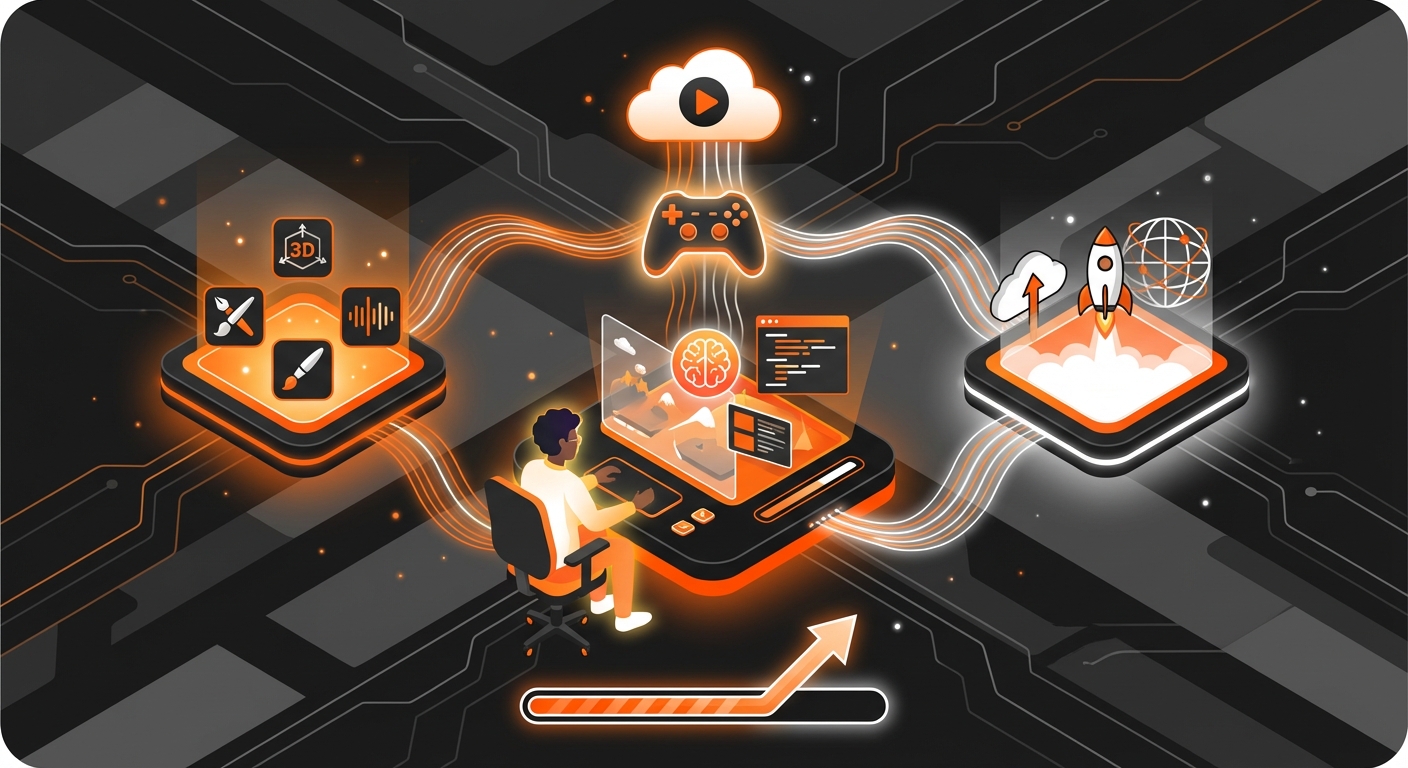
Once the concept solidifies, the technical development phase kicks into high gear. This involves choosing a game engine, like Unity or Unreal Engine, and then writing the actual code that powers the game. Programming tasks include implementing mechanics, building levels, optimizing performance, and squashing bugs, which can be a long and challenging process for any independent game developer.
Parallel to coding, art direction gives the game its visual and auditory identity. Artists design characters, environments, user interfaces, and animations. Sound designers create immersive soundscapes, music, and voice acting. These elements must harmonize to create a cohesive and appealing aesthetic that draws players into the game's world.
Building a game is a constant cycle of creation, testing, and refinement. Developers add features, iterate on existing ones, and rigorously test everything. This iterative approach helps catch issues early and ensures the game evolves into a polished, enjoyable experience. Many independent game developers find this stage particularly demanding yet deeply rewarding as their vision takes physical form.
Funding, Marketing, and Community Building
Funding is a significant hurdle for many independent game developers. While some self-fund their projects, others turn to crowdfunding platforms like Kickstarter, seek grants from gaming organizations, or partner with indie-focused publishers. Securing capital is vital for covering development costs, living expenses, and marketing efforts.
Marketing an independent game effectively is just as important as developing it. Developers use social media, participate in online forums, and attend industry events to build hype and connect with potential players. Releasing playable demos or engaging in early access programs allows them to gather valuable feedback and generate buzz long before the official launch. This grassroots approach often defines indie marketing.
Building a strong community around their game is a powerful asset. Independent developers frequently engage directly with players, responding to comments, sharing development updates, and incorporating player suggestions. This direct line of communication creates loyalty and advocacy, which can be invaluable for the game's success both at launch and in the long term, shaping updates well into 2026 and beyond.
Why Playing Independent Games Matters
Playing independent games offers a gateway to unparalleled innovation and creativity. Without the constraints of large corporate mandates, indie developers are free to experiment with genres, mechanics, and narratives in ways that major studios often cannot. This freedom frequently leads to fresh, unexpected experiences that challenge conventions and push the boundaries of what video games can be.
Supporting independent game developers directly fosters diversity within the gaming industry. These smaller studios often explore themes, perspectives, and art styles that are underrepresented in mainstream gaming. By purchasing and promoting indie titles, players help cultivate a richer, more varied ecosystem, ensuring a wider range of voices and ideas can flourish. This helps new talents emerge and thrive.
Discovering independent games often feels like unearthing a hidden gem. Many critically acclaimed and beloved games started as indie projects before gaining widespread recognition. From emotional storytelling to intricate puzzle designs, indie titles frequently provide memorable experiences that resonate deeply with players, offering something truly unique and distinct from the usual big-budget releases.
Finding and Supporting Independent Game Developers
Finding new independent games is easier than ever thanks to various digital storefronts. Platforms like Steam, itch.io, Epic Games Store, and console eShops (PlayStation Store, Xbox Store, Nintendo eShop) all feature dedicated sections for indie titles. Browsing these sections regularly or checking out curated lists is an excellent way to discover promising new games from independent game developers.
Beyond online stores, keep an eye on gaming festivals and independent showcases. Events like PAX, Gamescom, and the Independent Games Festival (IGF) frequently highlight upcoming indie games and give developers a platform to present their work. Online showcases and virtual events have also become popular avenues, allowing players from anywhere to sample demos and learn about new projects.
The best way to support independent game developers is by purchasing their games, playing them, and leaving honest reviews. Spreading the word through social media, recommending titles to friends, or even gifting games makes a significant impact. Engaging with developers on their forums or social channels provides valuable feedback and helps build a thriving community around their creative efforts.
independent game developer process, how indie games are made, benefits of playing indie games, finding new independent games, challenges for indie studios, supporting small game creators, indie game funding, creative game development
35

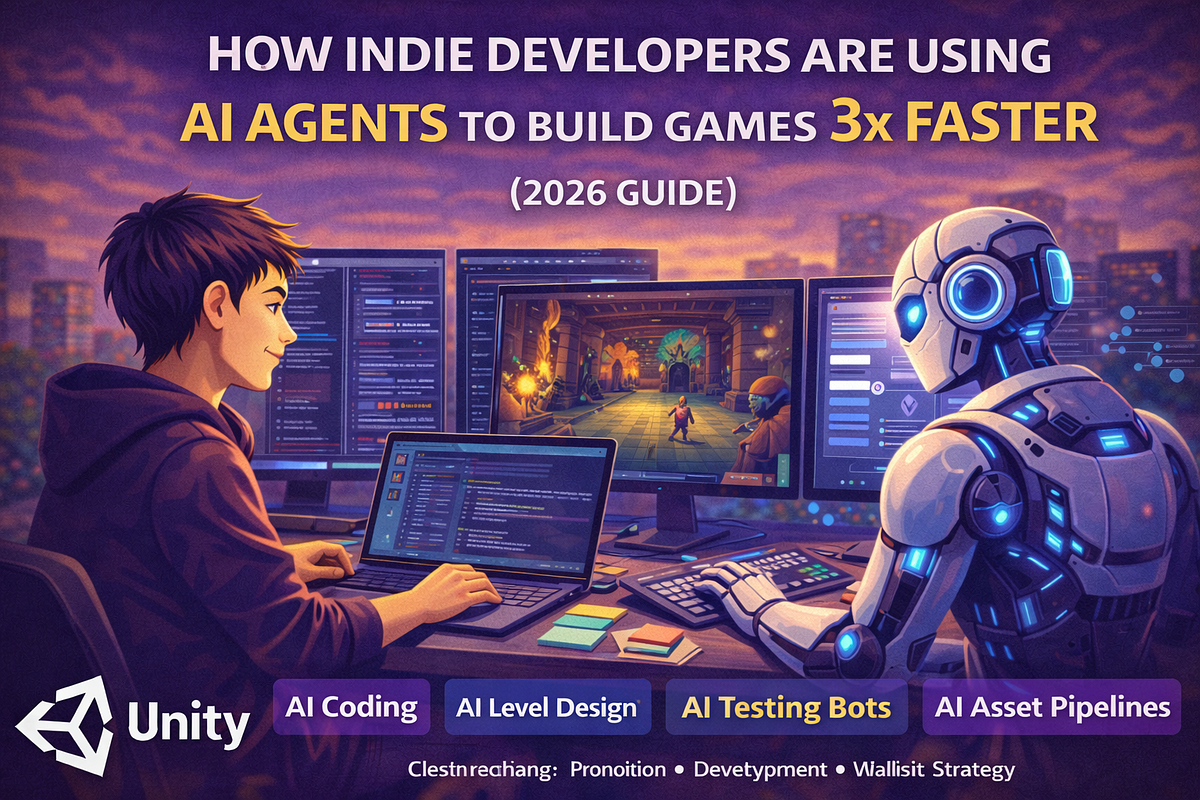
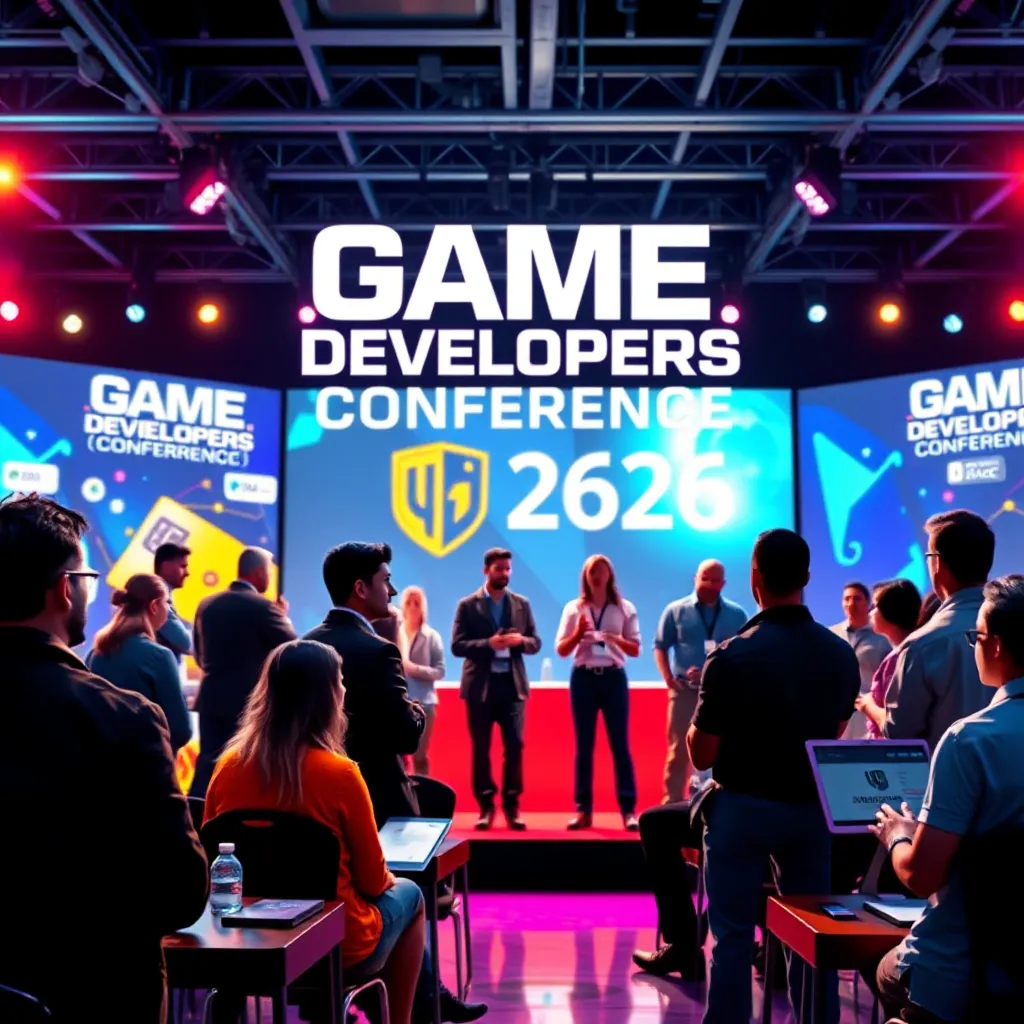

2026 Indie Game Production Marketing Guide Indie Game Sucess In 2026 Featured Image . Welcoming TGX 2026 Indie Games The Game Expo Welcoming Tgx 2026 Indie Games Upd 1638x2048 . How Indie Developers Are Using AI Agents To Build Games 3x Faster 2026 . Five Key Insights From The 2026 Game Developers Conference LevelUpTalk Game Developers Conference Highlights 03 13 2026 0a49e7d3 9ce6 49e7 8143. The Future Of Indie Play Top 5 Platforms For Developers In 2026 By 1*d0P2s0
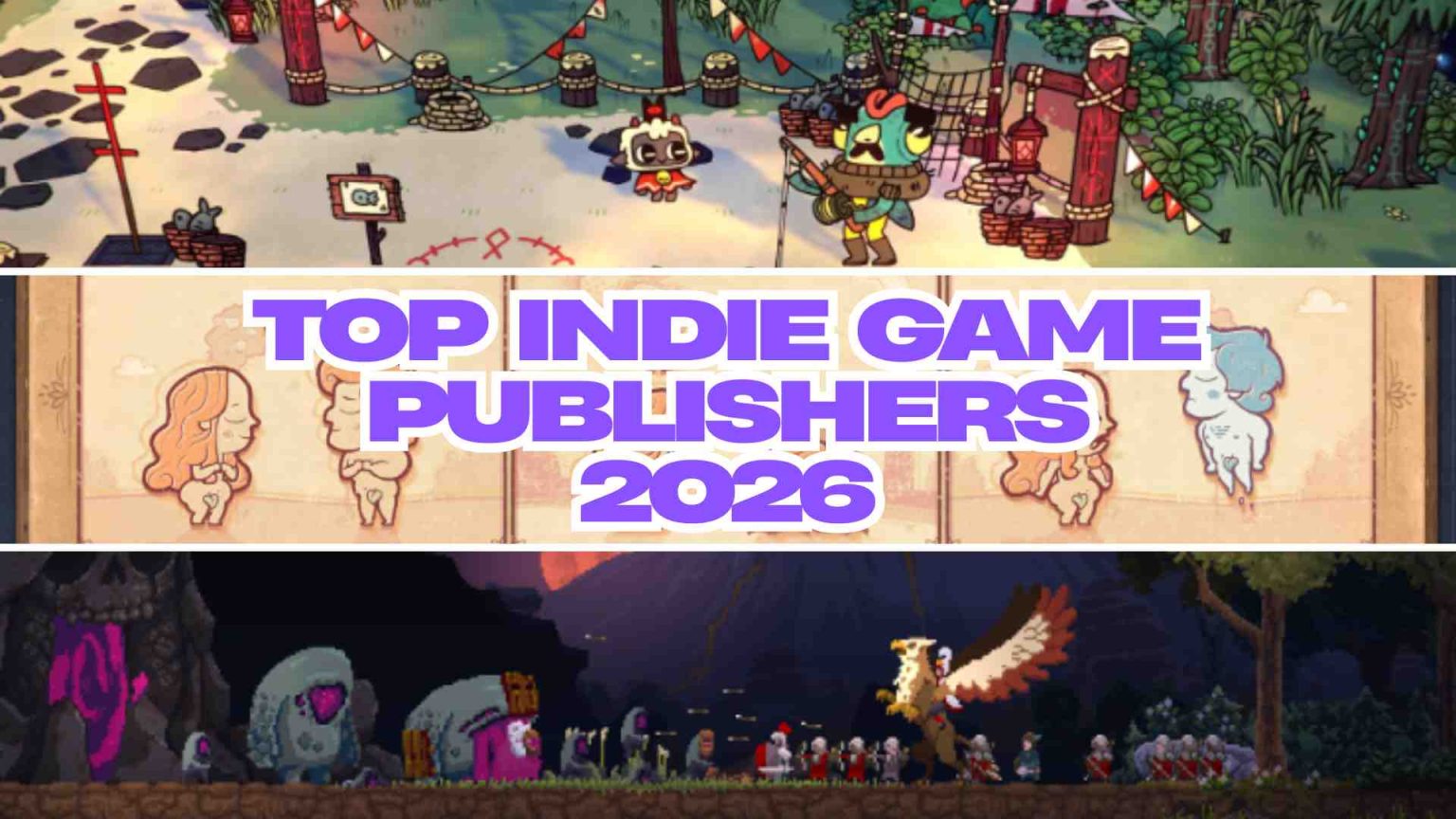
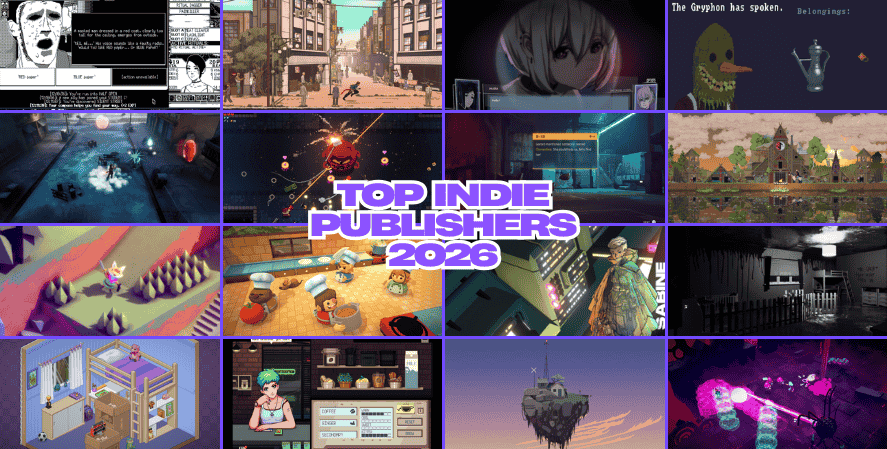

Top Indie Game Publishers 2026 Who S Dominating The Indie Game Market Top Indie Game Publishers 2026 1536x864 . Top Indie Game Publishers 2026 Who S Dominating The Indie Game Market Top Indie Publishers 2026 . TOP 21 NEW Upcoming INDIE Games Of 2026 YouTube . 2026 Driving A Stronger Smarter Future For Indie Whats Next For . Roger Claims Double Victory At 2026 Indie Game Awards Roger Claims Double Victory At 2026 Indie Game Awards 2

TOP 26 Best Upcoming INDIE GAMES OF 2026 NEW INDIES YouTube . Top Indie Game Events In 2026 For Developers And Enthusiasts Overview Of Indie Game Events 768x432 . Top Indie Game Events In 2026 For Developers And Enthusiasts Top Indie Game Events In 2024 For Developers And Enthusiasts 768x432 . How To Make Indie Games In 2026 W Jonathan Blow Full Time Game Dev . Gamescom 2026 Series Of Thefts Hit Small Indie Developers Hard 1788200705 Gamescom 2026 Series Of Thefts Hit Small Indie Developers Hard 1536x864

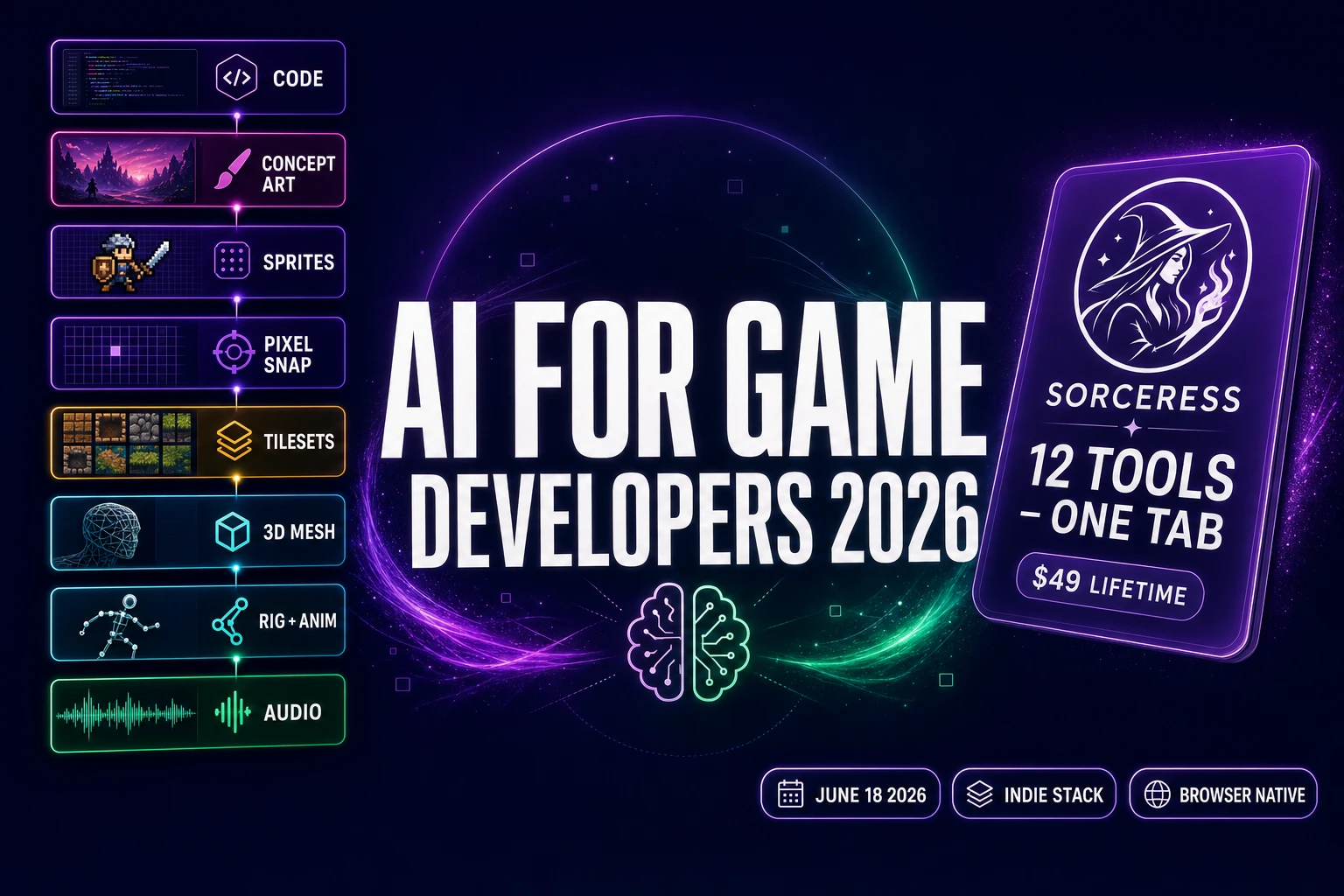

2026 Indie Game Production Marketing Guide Indie Game Sucess In 2026 1 1024x768 . ID Xbox At GDC 2026 Supporting Indie Game Developers On Xbox GAMES GG ID Xbox At GDC 2026 Supporting Indie Game Developers On Xbox 30b9b3ee52 . 7 Must Watch Gaming For Every Gamer 10 Most Anticipated Indie Games Dropping In January 2026 . Equip AI For Game Developers Indie 2026 Stack Sorceress Blog Equip Ai For Game Developers Indie 2026 Stack Thumbnail. GDC 2026 Exhibitor Playbook For Game Studios Trade Show Booth With Display Panels Digital Scree 36ee45a1 6608 4ed4 8e52
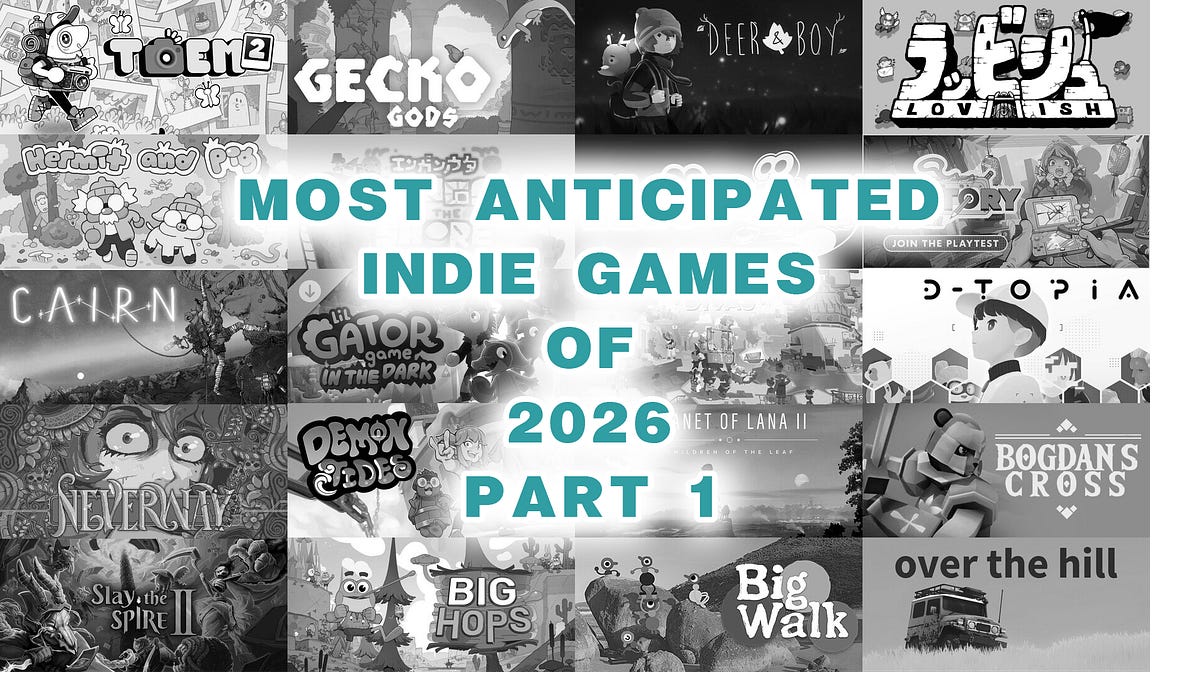
Game Developers Choice Awards Geben Die Nominierten Und 1200x628 GDCA 2026. Most Anticipated Indie Games Of 2026 Part 1 By Sey 2c60e888 E6e9 4eae 9179 1920x1080 . So You Want To Become A Game Developer In 2026 YouTube . Top Indie Game Events In 2026 For Developers And Enthusiasts Virtual Indie Game Events 768x432 . What Is An Indie Game A 2025 Overview Meshy Image
Indie Game Funding The Complete 2026 Guide For Developers Fungies Io Infographic Indie Game Funding Comparison 450x450 . New Strategy Games 2026 The Most Anticipated Titles For Strategy Fans INDIE GAME . The Most Anticipated Indie Games Of 2026 Celebrating 1170x658 . Is Indie Game Development Really Worth It In 2026 Pros Cons Reality Indie Game 2026 02 21 16 07 38.webp. Top Indie Game Publishers 2026 Who S Dominating The Indie Game Market Top Indie Publishers 2026 - How Developers Can Connect


Tools For Game Development Every Indie Dev Needs In 2025 Tools For Game Development Every Indie Dev Needs In 2025 1024x576 . Game Developers Conference San Francisco 2026 ICEX Video Game Developers Conference 2026 . Indie Game Marketing 2026 Win Without A AAA Budget Indie Game Dev In 2026 Tech Target Success. Top 10 Most Anticipated Games Of 2026 What To Watch Out For TVN GAMES IN 2026 . 5 Best Platforms For Indie Game Developers In 2026 Mentionable 1769580080