


Exploring George Washington's historic Mount Vernon estate offers a profound journey into early American life and the foundational history of the United States. To truly appreciate this sprawling national treasure, having a reliable and detailed map is absolutely essential. This guide is crafted to empower U.S. visitors, enabling them to navigate the grounds with confidence, ensuring no significant historical detail or picturesque vista is overlooked. From understanding the estate’s layout to locating specific points of interest, a well-utilized map transforms a simple visit into a rich, immersive historical exploration. We delve into how you can best leverage available maps to maximize your time, uncover hidden gems, and fully immerse yourself in the legacy of America's first president.
A visit to Mount Vernon transcends mere sightseeing; it is an opportunity to connect with the past on a deeply personal level. The estate covers significant acreage, encompassing the iconic Mansion, meticulously maintained gardens, working farms, and various outbuildings that illustrate 18th-century plantation life. Without a clear navigational tool, visitors might miss critical exhibits or spend valuable time searching for their next destination. This resource ensures you arrive prepared, equipped with the knowledge to make informed decisions about your itinerary, whether your interest lies in agricultural practices, enslaved community stories, or architectural marvels. Preparing with a Mount Vernon map is the first step towards an enriching and historically impactful experience.
As you plan your journey to Mount Vernon, consider the distinct advantages a comprehensive map provides. It acts as your personal guide through centuries of history, highlighting pathways to the tombs of George and Martha Washington, the Pioneer Farm, and the extensive museum and education center. Maps offer crucial information on walking distances between key areas, helping you manage your energy and time effectively. They also identify crucial visitor services like restrooms, dining facilities, and gift shops, ensuring your comfort throughout the day. By understanding the estate's geography and key features before you even arrive, you set the stage for an engaging and highly rewarding exploration of this venerable American landmark.
What Does the Mount Vernon Map Show Visitors
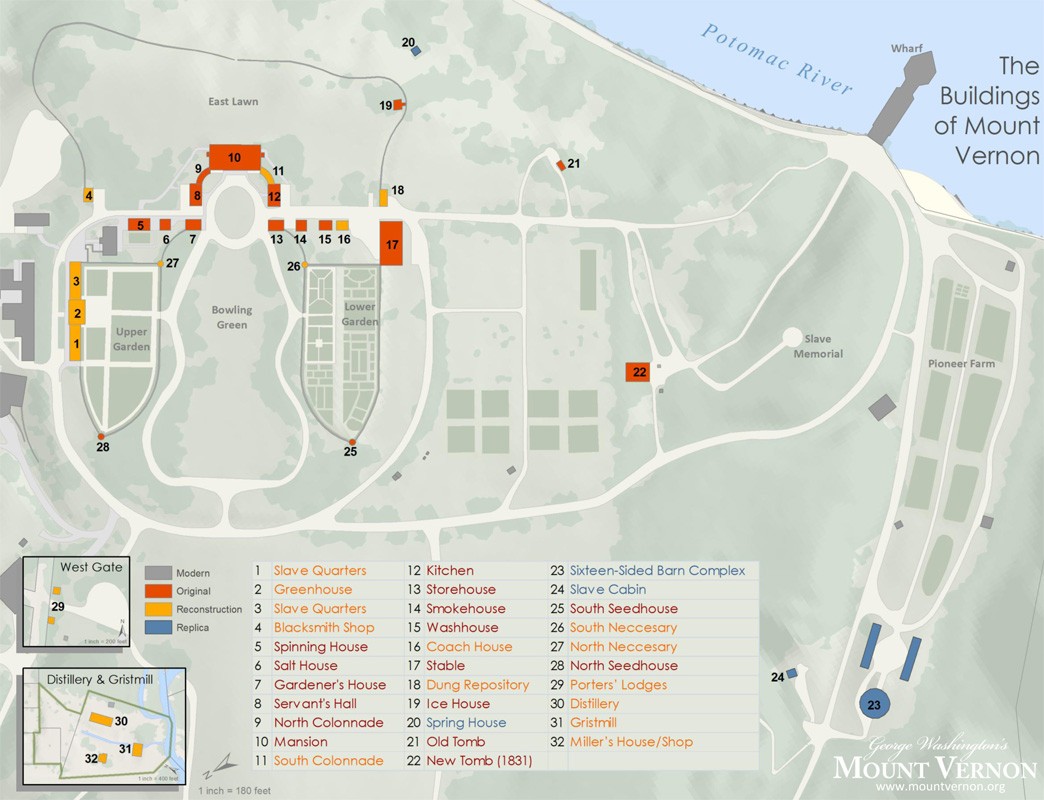
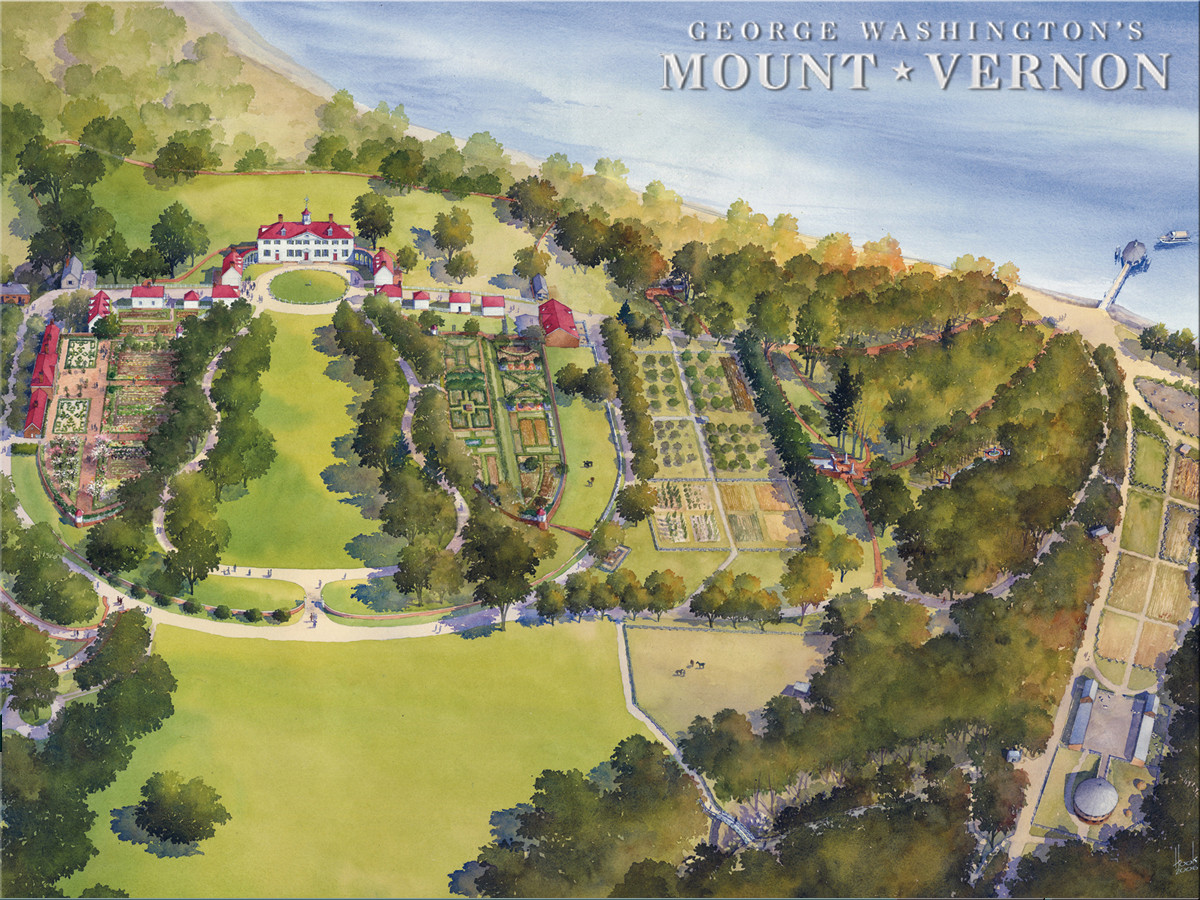
The Mount Vernon map serves as an indispensable tool, illustrating the vast and diverse landscape of George Washington's estate. It meticulously details the primary historical buildings, including the iconic Mansion, its various wings, and the surrounding dependencies like the kitchen, smokehouse, and greenhouse. Beyond the structural elements, the map clearly outlines the stunning formal gardens, the utilitarian working farm areas, and the scenic pathways that connect these disparate zones. Visitors can quickly identify the location of the gristmill and distillery, offering insights into Washington's agricultural enterprises. Furthermore, the map marks significant natural features and overlooks, providing strategic viewpoints across the Potomac River, allowing guests to fully appreciate the serene beauty of the property's natural setting.
Crucially, the Mount Vernon map extends its utility by highlighting essential visitor amenities and services scattered across the grounds. It guides guests to the Welcome Center, where their historical journey often begins, and to the Donald W Reynolds Museum and Education Center, which houses invaluable artifacts and exhibits. Practical considerations such as restrooms, water fountains, and first aid stations are clearly indicated, ensuring visitor comfort and safety. For those seeking refreshments or souvenirs, the map pinpoints dining establishments like the Mount Vernon Inn Restaurant and the various gift shops. This comprehensive detail allows for seamless navigation, enabling visitors to efficiently plan their day around historical exploration and personal needs without unnecessary detours or confusion.
Beyond general navigation, the Mount Vernon map is instrumental in understanding the estate's historical context and its structured layout. It often includes notations explaining the purpose of various buildings and areas, thereby enhancing the educational aspect of the visit. For instance, understanding where the enslaved people's quarters were situated in relation to the Mansion offers a deeper, more nuanced perspective on the estate’s history. The map also shows accessibility routes for guests with mobility challenges, ensuring that Mount Vernon is an inclusive experience for all. By presenting a clear, organized view of this expansive property, the map empowers visitors to engage more meaningfully with the rich narratives embedded within each corner of George Washington's home.
Navigating Key Attractions with Your Map
Effectively using your Mount Vernon map involves strategically identifying your must-see attractions and charting an efficient course. Start by locating the Mansion, which is typically the central focus of any visit. From there, you can plan a clockwise or counter-clockwise route to encompass other significant sites. For instance, many visitors opt to explore the Upper and Lower Gardens immediately adjacent to the Mansion, followed by the intriguing Pioneer Farm located further afield. The map will clearly show the walking paths, indicating approximate distances and suggesting the best sequence to minimize backtracking and maximize your exploration time. This focused approach ensures you experience the estate’s highlights without feeling rushed or overwhelmed by its sheer size.
The map is particularly valuable for discovering specialized areas like the enslaved people’s quarters, the historic stable, and the various workshops where artisans once labored. These sites provide critical context to the daily operations of Mount Vernon during Washington's time. By referring to your map, you can easily connect these narratives, understanding the functional relationships between different areas of the estate. For families, the map helps locate child-friendly exhibits or open spaces suitable for a brief rest. Being able to pinpoint these diverse attractions beforehand allows you to tailor your visit to specific interests, whether it's delving into agricultural history, examining period architecture, or simply enjoying the breathtaking views.
Furthermore, the Mount Vernon map often provides valuable information on guided tours and special presentations. It might indicate meeting points for docent-led tours of the Mansion or specific garden talks. Knowing where these events take place and how to reach them quickly using your map can significantly enhance your educational experience. If you are interested in particular historical aspects, such as Washington's innovative farming techniques or his role as an entrepreneur at the Distillery and Gristmill, the map helps you prioritize those sections of the estate. This proactive approach to navigation ensures you fully capture the multifaceted history preserved at Mount Vernon, creating a memorable and deeply informative outing.
How Can a Mount Vernon Map Enhance Your Visit
A Mount Vernon map does more than just guide you; it significantly elevates your entire visit by providing a structured framework for exploration and discovery. By offering a visual overview of the estate, it allows you to personalize your itinerary, focusing on areas that align with your interests, whether they are historical, horticultural, or architectural. This proactive planning minimizes wasted time and ensures you move through the expansive grounds with purpose. For U.S. searchers seeking an efficient yet comprehensive experience, the map helps to prioritize key landmarks like the Mansion, the burial ground, and the various gardens, enabling a seamless flow from one point of interest to the next. It transforms a potentially confusing landscape into an easily digestible journey.
The interactive nature of modern Mount Vernon maps, whether digital or printed, further enriches the visitor experience. Digital versions often include GPS capabilities, allowing real-time tracking of your location within the estate and offering dynamic directions to specific sites. This feature is particularly beneficial for navigating less-traveled paths or locating specific historical markers. For visitors with limited mobility or those managing young children, understanding the terrain and identifying accessible routes becomes paramount. The map clearly outlines pathways suitable for wheelchairs or strollers, alongside locations of rest stops and family-friendly facilities, ensuring a comfortable and inclusive visit for all members of your party. It truly enhances logistical planning, providing crucial details for a stress-free outing.
Moreover, the map fosters a deeper engagement with the historical narrative of Mount Vernon. By visually connecting different parts of the estate, such as the relationship between the Mansion and the outbuildings or the proximity of the farm to the Potomac River, visitors gain a more holistic understanding of George Washington's life and his role as a planter. It highlights the strategic layout of the property, revealing how it functioned as a self-sufficient enterprise. This geographical context aids in appreciating the logistical challenges and triumphs of 18th-century estate management. Consequently, the Mount Vernon map becomes an educational tool, encouraging contemplation and enriching your understanding of this pivotal historical site far beyond what simple signage might convey.
Finding Amenities and Services
Identifying essential amenities and services swiftly is crucial for a comfortable visit to Mount Vernon, and your map proves invaluable for this. The map clearly marks all designated restroom facilities, which are strategically located throughout the estate to ensure convenience. For dining options, it pinpoints the Mount Vernon Inn Restaurant, offering a full-service experience, as well as more casual grab-and-go options available at the Food Court. These indicators help visitors plan meal times and refreshment breaks without disrupting their historical exploration. Knowing these locations in advance helps maintain energy levels and ensures a more enjoyable and uninterrupted experience of the estate’s historical offerings.
Beyond food and facilities, the Mount Vernon map highlights other critical services that enhance visitor comfort and security. It directs guests to the First Aid Station, providing peace of mind in case of minor emergencies. Information desks and visitor service kiosks are also clearly noted, offering points of contact for questions, directions, or assistance during your visit. For those looking to take a piece of history home, the map indicates the various gift shops where souvenirs and educational materials can be purchased. These practical details, thoughtfully integrated into the map, ensure that your focus remains on absorbing the rich history rather than searching for basic necessities.
Accessibility is a key consideration for many visitors, and the Mount Vernon map addresses this by marking accessible routes and points of entry. It indicates ramps, elevators, and pathways designed for wheelchairs or strollers, ensuring that the estate is welcoming to all. Additionally, the map might highlight specific areas that offer shaded seating or quieter zones for those seeking a moment of respite from the bustling crowds. Understanding where these helpful features are located empowers visitors to navigate the estate comfortably, accommodating their individual needs. By proactively consulting the map for these services, visitors can create a personalized and truly accommodating itinerary for their Mount Vernon experience.
Where to Get the Best Mount Vernon Map
Securing the most effective Mount Vernon map is a straightforward process, ensuring you have the best navigational tools at hand. Upon arrival, the Official Visitor Center is the primary and highly recommended location to obtain a detailed, complimentary physical map. These maps are designed specifically for on-site navigation, often featuring color-coded sections, clear pathways, and markers for all major attractions and amenities. Picking one up immediately allows you to familiarize yourself with the layout before venturing into the historical grounds. The staff at the Visitor Center are also readily available to answer any initial questions you might have about using the map or planning your route.
For those who prefer digital planning or real-time navigation, Mount Vernon offers excellent online resources. Their official website provides a downloadable, interactive map that you can view on your smartphone or tablet. This digital version often includes up-to-date information on daily events, tour times, and any temporary closures, making it an incredibly dynamic tool. Many U.S. visitors find the convenience of a digital map appealing, as it eliminates the need to carry a physical copy and can be easily accessed on the go. Preparing with this digital map before your visit allows you to preview the estate, create a preliminary itinerary, and arrive with a strong sense of direction.
Beyond the official sources, third-party travel guides and online platforms might also feature maps of Mount Vernon. While these can offer supplementary information or different perspectives, always prioritize the official maps from Mount Vernon itself. These are guaranteed to be the most accurate, current, and comprehensive for navigating the estate. Whether you choose a physical map from the Visitor Center, a digital version from the official website, or utilize both for a layered approach, having a reliable Mount Vernon map is your key to a well-organized and deeply rewarding historical journey. Choose the format that best suits your comfort and navigational style to ensure an optimal exploration experience.
Digital Map Options for Mobile Users
For modern travelers, digital map options for Mount Vernon provide unparalleled convenience and enhanced features, perfectly suited for mobile users. The official Mount Vernon website is your primary resource for a high-quality, interactive digital map. This mobile-friendly map allows you to pinch to zoom, pan across the estate, and often features clickable points of interest that reveal additional historical details or practical information. Many visitors appreciate the ability to carry a comprehensive guide in their pocket without the bulk of a paper map. These digital tools often update in real-time with event schedules and operational changes, ensuring you always have the most current information available at your fingertips during your visit.
Beyond the official website, consider utilizing popular mapping applications like Google Maps or Apple Maps. While these may not offer the intricate historical details of the official Mount Vernon map, they are excellent for broad navigational purposes, such as finding directions to the estate from your current location, identifying nearby amenities outside the estate, or understanding traffic conditions. Many users will also find that these popular applications can pinpoint the main entrance, parking areas, and sometimes even key internal landmarks if they are well-indexed. Combining the detailed historical information of the official digital map with the robust navigation features of a general mapping app provides a comprehensive solution for your visit.
For an even more integrated experience, some cultural institutions, including potentially Mount Vernon, offer dedicated mobile apps. These apps often merge map functionality with audio tours, self-guided narratives, and augmented reality features that bring historical sites to life. Before your visit, search your device’s app store for “Mount Vernon” to see if an official application is available. Such apps can transform your smartphone into a powerful personal tour guide, offering rich contextual information as you explore different areas of the estate. Opting for a digital map solution, whether via the website or a dedicated app, offers flexibility and a wealth of information, making your Mount Vernon experience both informative and incredibly convenient.
People Also Ask About Mount Vernon Maps
What is the best way to plan a Mount Vernon visit with a map?
The best way to plan your Mount Vernon visit using a map involves familiarizing yourself with the estate's layout beforehand. Identify key attractions you wish to see, such as the Mansion, gardens, and George Washington's tomb. Chart a logical route that minimizes backtracking, considering walking distances and your desired pace. The map will help you pinpoint amenities like restrooms and dining, ensuring a comfortable and efficient exploration.
Are Mount Vernon maps available in digital format?
Yes, Mount Vernon provides maps in digital format, primarily through their official website. These interactive maps are accessible on smartphones and tablets, offering pinch-to-zoom capabilities and sometimes clickable points of interest for added information. Digital maps are convenient for real-time navigation and can include up-to-date operational details or event schedules, making them a flexible tool for your visit.
Does the Mount Vernon map show accessible routes for visitors?
Absolutely, the official Mount Vernon maps are designed to be inclusive, clearly indicating accessible routes and pathways for visitors with mobility challenges. They highlight ramps, elevators, and routes suitable for wheelchairs or strollers, ensuring that all guests can comfortably navigate the estate. Checking the map for these features prior to or upon arrival helps plan a smooth and accommodating visit.
Where can I get a physical map of Mount Vernon?
You can obtain a complimentary physical map of Mount Vernon at the Official Visitor Center upon your arrival at the estate. These maps are specifically designed for on-site navigation, detailing all major attractions, pathways, and amenities. The Visitor Center staff can also provide guidance on using the map to best plan your exploration of George Washington's historic home.
How accurate are Mount Vernon maps for local navigation?
Mount Vernon maps are highly accurate for local navigation within the estate, as they are officially produced and maintained by the Mount Vernon Ladies' Association. They precisely depict the layout of historical buildings, gardens, farms, and pathways, ensuring visitors can reliably find their way. These maps are regularly updated to reflect any changes to the grounds or visitor services, making them a trustworthy guide.
Conclusion Navigating Mount Vernon with Confidence
Mastering the Mount Vernon map is your ultimate strategy for a fulfilling and insightful visit to George Washington's iconic estate. This comprehensive guide empowers you to seamlessly navigate historical landmarks, discover hidden gems, and fully appreciate the rich tapestry of American history. By understanding the estate's layout and utilizing the map effectively, you can customize your itinerary, prioritize key attractions, and efficiently move between the Mansion, gardens, and farms. Whether you opt for a traditional paper map or leverage the convenience of a digital version, strategic planning transforms your exploration into a deeply personal and enriching experience.
As you prepare for your journey, remember that the Mount Vernon map is more than just a navigational tool; it is a gateway to a deeper connection with the past. It helps you locate essential amenities, understand accessibility routes, and even discover historical nuances that might otherwise be overlooked. This proactive approach ensures your comfort and maximizes your engagement with the estate's profound legacy. By knowing where to find everything from restrooms to the tombs of George and Martha Washington, you eliminate guesswork and focus entirely on absorbing the historical significance that permeates every acre.
Ultimately, a well-used Mount Vernon map facilitates a visit that is both efficient and profoundly memorable. It enables U.S. visitors to confidently explore, learn, and engage with the rich history preserved here. Take the time to review your map, consider your interests, and plan your route. This preparation guarantees that your trip to Mount Vernon is not just a visit, but a truly immersive and educational adventure, leaving you with a deeper appreciation for America's first president and the enduring spirit of the nation he helped forge.