
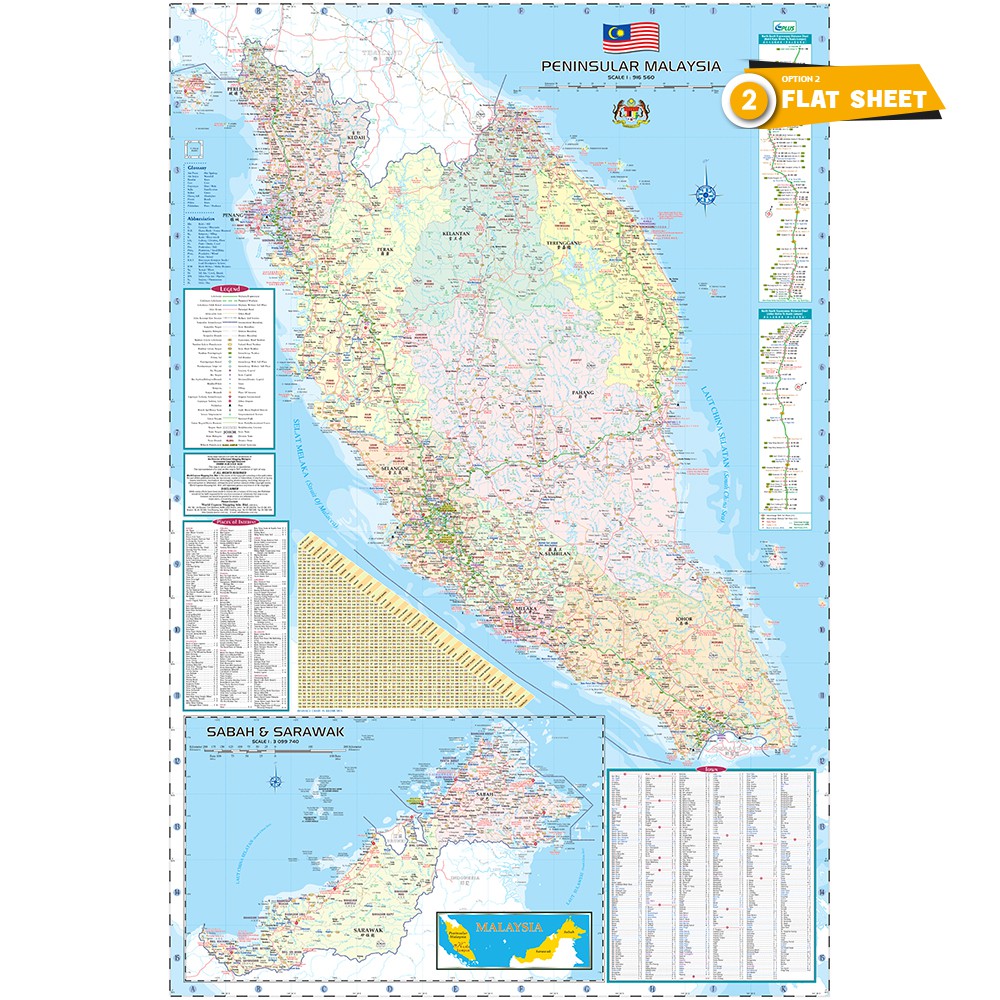


Understanding Malaysia Road Mapping for US Travelers
For United States citizens planning a road trip or driving adventure in Malaysia, understanding the most effective digital mapping tools is crucial. The country offers a mix of modern highways, bustling city streets, and scenic rural routes. Reliable navigation ensures a smooth and enjoyable journey, helping you discover hidden gems and reach your destinations without unnecessary stress. Accessing accurate, up-to-date map data directly impacts your travel efficiency and safety.
Using the right mapping application can make a significant difference. Many U.S. travelers are accustomed to certain navigation apps, but their performance and feature availability might vary internationally. It is important to research which platforms provide comprehensive coverage, real-time traffic information, and user-friendly interfaces specific to Malaysian road conditions and language support. This preparation saves time and avoids potential misdirections while exploring.
Beyond just directions, the best digital maps also offer insights into local points of interest, accommodations, and essential services. They can help you locate gas stations, restaurants, or even emergency services efficiently. Prioritizing a mapping solution that caters to these varied needs will greatly enhance your overall travel experience across Malaysia.
What are the top digital mapping choices for Malaysia?
When considering digital mapping applications for use on Malaysia's roads, Google Maps often stands out as a primary choice for many U.S. travelers. Its extensive coverage, detailed street views in many urban areas, and robust search capabilities for businesses and landmarks make it highly versatile. It also offers public transport options, which can be useful when not driving, alongside real-time traffic conditions to help you avoid congestion.
Another excellent option is Waze, particularly valued for its community-driven, real-time traffic and hazard reporting. Waze users actively share updates on accidents, road closures, police presence, and speed traps, providing a dynamic navigation experience. While its interface might be slightly different from Google Maps, its focus on live conditions can be incredibly beneficial for navigating busy Malaysian cities and highways efficiently. Many drivers appreciate its proactive alerts.
Beyond these global giants, local apps sometimes offer niche advantages, although they may not be as familiar to U.S. audiences. However, for most general travel and navigation needs throughout Malaysia, Google Maps and Waze provide ample functionality. Travelers should compare their specific features, such as offline map capabilities and estimated time of arrival accuracy, before committing to one main platform for their journey.
How to Prepare Your Devices for Malaysia Road Navigation
Before you even leave the United States, preparing your smartphone or GPS device for Malaysian roads is a vital step. This preparation includes ensuring you have the necessary apps installed, sufficient storage space for offline maps, and a clear understanding of your data plan options. A well-prepared device prevents connectivity issues and ensures continuous navigation, even in remote areas where cellular service might be spotty or nonexistent.
Consider purchasing a local SIM card upon arrival in Malaysia or enabling an international roaming plan from your U.S. carrier. While roaming can be more expensive, it offers immediate connectivity. A local SIM provides a more cost-effective solution for data, crucial for real-time traffic updates and online searches. Always check your device's compatibility with Malaysian cellular networks to avoid any surprises.
Additionally, having a reliable power bank or car charger is indispensable. Continuous GPS usage drains phone batteries quickly. A sturdy phone mount for your vehicle is also recommended for hands-free navigation, ensuring you can keep your eyes on the road and safely follow directions. These small investments significantly improve your navigational experience and overall driving safety.
How can I use offline maps effectively in Malaysia?
Utilizing offline maps is one of the smartest strategies for U.S. travelers driving in Malaysia, especially when venturing outside major cities or encountering areas with unreliable internet. Both Google Maps and other dedicated offline mapping apps allow you to download entire regions or specific routes to your device before you start your journey. This ensures you always have access to directions, even without a data connection.
To download offline maps in Google Maps, simply search for the area you intend to cover, then look for the option to download the map. Ensure you have ample storage space on your device, as these map files can be large. Downloading maps over a strong Wi-Fi connection in the U.S. or at your accommodation in Malaysia is highly recommended to save time and data.
When using offline maps, remember that real-time traffic updates will not be available. However, you will still receive turn-by-turn navigation and be able to search for pre-downloaded points of interest. For the best experience, combine offline maps with a local SIM card for occasional online checks when connectivity is available. This hybrid approach offers both reliability and up-to-date information when possible, providing a robust navigation solution.
Essential Tips for Driving and Navigating Malaysia's Roads
Driving in Malaysia presents a unique experience for U.S. travelers. The country drives on the left side of the road, which requires an adjustment for anyone accustomed to right-hand traffic. Familiarizing yourself with local road signs, which are often in both Malay and English, and understanding common driving behaviors will significantly boost your confidence and safety. Always allow extra time for travel, especially in urban areas with heavy traffic.
Toll roads are common, particularly on major highways. Many toll booths in Malaysia are cashless, relying on electronic payment systems like Touch 'n Go cards or RFID tags. As a U.S. visitor, ensure your rental car comes equipped with a Touch 'n Go card or that you purchase one and load it with sufficient credit. Trying to pay cash at cashless booths can cause delays and confusion, so planning ahead for tolls is essential.
Beyond these practicalities, maintaining awareness of your surroundings is key. Malaysian drivers can sometimes be aggressive or unpredictable. Always use your turn signals, maintain a safe following distance, and be prepared for sudden stops or lane changes. By being observant and adhering to local driving norms, you can navigate Malaysia's roads effectively and safely.
What common mistakes should U.S. drivers avoid in Malaysia?
One common mistake U.S. drivers make in Malaysia is underestimating the adjustment period for driving on the left side of the road. This fundamental change affects everything from turning at intersections to navigating roundabouts. It is crucial to take your time, practice in less congested areas if possible, and consciously remind yourself of the change, especially when exiting parking lots or making turns. Rushing this adjustment can lead to dangerous situations.
Another frequent error is neglecting to account for local traffic conditions and driving styles. Malaysian cities often experience heavy congestion, and motorcycle riders are abundant, frequently weaving through traffic. Drivers might also be less inclined to signal or might make sudden maneuvers. U.S. travelers should maintain extra vigilance, avoid aggressive driving, and expect the unexpected to ensure a safer journey.
Lastly, many U.S. visitors fail to properly prepare for toll roads. Assuming cash payment is always an option or not having a loaded Touch 'n Go card can cause significant inconvenience and fines. Always confirm the toll payment system on your planned route and ensure you have the correct payment method ready. Double-checking road rules and typical driving behaviors before you start can prevent many potential frustrations and mistakes.
Finding Local Services and Points of Interest with Malaysia Road Maps
Digital maps are invaluable for more than just getting from point A to point B in Malaysia. For U.S. travelers, these tools become essential guides for finding local services and exploring points of interest. Whether you need a place to eat, a gas station, a hotel, or a popular tourist attraction, your mapping app can quickly provide directions, operating hours, reviews, and contact information. This capability makes on-the-go decision-making simple and efficient.
Many mapping applications integrate robust search functions that allow you to look up specific types of businesses or attractions. For instance, you can search for “restaurants near me” or “hospitals in Kuala Lumpur.” The results often include star ratings, user reviews, and photos, which are extremely helpful for making informed choices about where to go or what to do. Leveraging these features enhances your travel experience by making local discovery seamless.
Beyond immediate needs, these maps can also help with long-term travel planning. You can save places you want to visit, create custom routes, and even share your travel plans with others. This organizational aspect ensures you maximize your time and experiences in Malaysia, allowing for spontaneous detours while keeping your overall itinerary on track. Mastering these search and planning functions is key to a rewarding trip.
How can maps help find food, gas, or lodging near me in Malaysia?
Modern digital maps like Google Maps are exceptionally powerful for locating essential services such as food, gas, and lodging while you are traveling in Malaysia. By simply opening the app and using the search bar, you can type in specific queries such as “restaurants near me,” “gas stations,” or “hotels in [current city].” The map will then display relevant locations in your vicinity or along your planned route, making it incredibly convenient.
Once you see the results, you can tap on individual listings to access detailed information. This often includes crucial details like opening hours, contact numbers, customer reviews, and even photos of the establishment. This wealth of data allows you to quickly assess options and choose the best fit for your immediate needs, from a highly-rated local eatery to a budget-friendly hotel with good reviews. You can also filter results for specific criteria.
Furthermore, these maps often provide navigation directly to your chosen service. With turn-by-turn directions, you can confidently drive to the nearest gas station when your tank is low or find a highly recommended restaurant for dinner. This integrated approach ensures that U.S. travelers can easily access necessary amenities, making their journey through Malaysia both comfortable and hassle-free, reducing any travel stress.
Frequently Asked Questions About Mapping Malaysia Roads
As U.S. travelers plan their adventures to Malaysia, many practical questions arise regarding road navigation. Understanding how to best use mapping technology, prepare for local driving conditions, and access essential services is paramount. This section addresses common inquiries, offering concise and actionable advice to help you navigate Malaysia's diverse landscape with confidence and ease. Proper preparation ensures a more enjoyable and safer journey across the country.
From figuring out internet connectivity options to knowing what to do at toll booths, having answers to these questions beforehand can save time and prevent potential frustrations. We cover essential information designed to optimize your mapping experience, whether you are traversing bustling city centers or exploring scenic rural routes. The aim is to equip you with the knowledge needed for smooth travel.
Ultimately, a successful road trip in Malaysia for U.S. visitors hinges on reliable navigation and a grasp of local specifics. The following questions and their direct answers provide crucial insights, helping you to make informed decisions before and during your travel. These details contribute to a stress-free experience, allowing you to focus on the beauty and culture of Malaysia rather than worrying about getting lost.
Is a local SIM card necessary for mapping in Malaysia?
While not strictly necessary if you rely solely on offline maps, a local SIM card is highly recommended for optimal navigation in Malaysia. It provides real-time traffic updates, allows online searches for specific businesses, and enables communication. This greatly enhances your ability to adjust routes for congestion or find services like gas stations and restaurants quickly. It offers reliable, continuous connectivity.
Do U.S. GPS devices work in Malaysia?
Most modern U.S. GPS devices and smartphone GPS functions work effectively in Malaysia. The underlying GPS satellite technology is global. However, ensure your device has up-to-date Malaysian map data loaded. Smartphone apps like Google Maps or Waze generally provide the most current and dynamic map information, often surpassing standalone GPS units in detail and real-time updates. Check map data before your trip.
How can I avoid tolls on Malaysia roads using mapping apps?
Most major mapping applications, including Google Maps and Waze, offer an option to avoid toll roads when calculating routes. Look for this setting in the app's navigation preferences or route options before you begin your journey. While this can extend your travel time, it allows you to bypass electronic toll payments and potentially explore alternative, scenic routes. Always confirm the chosen route.
Are road conditions in Malaysia suitable for all vehicles?
Generally, major roads and highways in Malaysia are well-maintained and suitable for most standard vehicles. However, conditions can vary, especially in rural or remote areas where roads might be narrower, less paved, or affected by weather. It is advisable to choose a rental vehicle appropriate for your itinerary and check recent road condition reports if traveling off the main routes. Smaller cars handle city traffic well.
Can I rely on public Wi-Fi for mapping in Malaysia?
Relying solely on public Wi-Fi for mapping in Malaysia is generally not recommended for continuous navigation. While Wi-Fi is available in many hotels, cafes, and airports, coverage can be inconsistent or limited to specific locations. For reliable, on-the-go directions and real-time updates while driving, a local SIM card or downloaded offline maps provide a much more dependable solution, ensuring uninterrupted guidance.
What is the emergency number to use if I get lost in Malaysia?
If you get lost or face an emergency while driving in Malaysia, the universal emergency number is 999. This number connects you to police, ambulance, or fire services. Ensure your phone has a working local SIM or international roaming to make emergency calls. Digital maps can also help you pinpoint your exact location to provide to emergency responders, aiding in a quicker response time.
Summary
Navigating Malaysia's roads as a U.S. traveler requires practical preparation and an understanding of the best digital mapping tools. Choosing applications like Google Maps or Waze offers comprehensive coverage, real-time traffic updates, and essential point-of-interest information. Effectively using offline maps is also critical for maintaining navigation in areas with limited internet access, ensuring a smooth and uninterrupted journey across the diverse Malaysian landscape. Smart device preparation, including local SIM cards or reliable data plans, is crucial.
Beyond just directions, these mapping solutions become invaluable for locating nearby services such as gas stations, restaurants, and lodging. They provide detailed information including operating hours and user reviews, helping you make informed decisions on the go. U.S. drivers should also be mindful of local driving customs, such as left-hand traffic and electronic toll payments, to ensure a safe and stress-free experience. Avoiding common mistakes like underestimating traffic or unpreparedness for tolls will greatly enhance your travel.
Ultimately, a well-planned approach to mapping Malaysia's roads empowers U.S. travelers to explore the country confidently. By leveraging modern digital tools and understanding local specifics, you can focus on enjoying the beauty and culture, rather than worrying about getting lost. Always check your mapping app reviews, consider local connectivity options, and prepare for unique driving conditions to optimize your journey and make the most of your Malaysian adventure.