Discover everything about baseball innings, from the standard nine to extra innings rules and exceptions. This comprehensive guide covers how many innings are in a baseball game across different leagues, youth play, and professional baseball. Understand the mechanics of innings, why games can extend beyond nine, and key factors like mercy rules and suspended games. Perfect for new fans and seasoned enthusiasts looking to deepen their understanding of America's pastime. Learn about game duration, scoring, and the crucial role each inning plays in the final outcome. We break down the official rules and common scenarios ensuring you grasp the core structure of a baseball match. Get ready to master the game's fundamental rhythm.
- What is the standard number of innings in a professional baseball game? - A standard professional baseball game, like those in Major League Baseball (MLB), consists of nine innings. This established length allows both teams ample opportunities to score and compete for victory, forming the core structure of competitive play at the highest levels of the sport.
- Can a baseball game have more than nine innings? - Yes, if a baseball game is tied after the completion of the nine regulation innings, it goes into extra innings. Play continues inning by inning until one team gains a lead at the end of a full, completed inning, determining the winner of the match.
- Why do youth baseball games often have fewer innings? - Youth baseball games typically have fewer innings, often five or seven, to accommodate younger players' endurance levels and manage overall game duration. These shorter formats prevent fatigue, align with age-specific guidelines, and ensure a more engaging and accessible experience for junior athletes.
- What is the mercy rule and when is it applied? - The mercy rule allows a baseball game to conclude early if one team holds a substantial lead after a specified number of innings, commonly seen in youth, high school, and collegiate baseball. It's applied to prevent prolonged, one-sided contests, saving time and conserving pitching resources.
- How many outs does a team get per inning? - In baseball, each team gets three outs during their turn at bat in an inning. Once three outs are recorded against the batting team, their offensive half of the inning concludes, and the teams switch roles, with the fielding team coming to bat.
- Is a game always completed if less than nine innings are played? - A game might not always be completed if less than nine innings are played. For a game to be considered official due to weather or other stoppages, typically at least five innings (or 4.5 if the home team is leading) must be completed. Otherwise, the game might be suspended or rescheduled.
- What role does the pitcher play in determining inning length? - The pitcher plays a crucial role in inning length by aiming to get three outs as quickly as possible. Effective pitching can lead to shorter innings, while walks, hits, and errors can prolong an inning, increasing pitch counts and potentially leading to more runs scored by the opposing team.
How many innings are in a typical MLB game?
A typical Major League Baseball (MLB) game consists of nine innings. This is the standard regulation length for professional games. Each team gets one turn at bat and one turn in the field per inning, with the game concluding after the ninth inning unless the score is tied, which then leads to extra innings.
What determines the end of an inning?
An inning ends when both the visiting and home teams have completed their turn at bat. Each team's turn concludes after they record three outs against their batters. Once three outs are made, the teams switch roles for the next half of the inning, or the inning concludes entirely if both halves are finished.
Do all baseball games have nine innings?
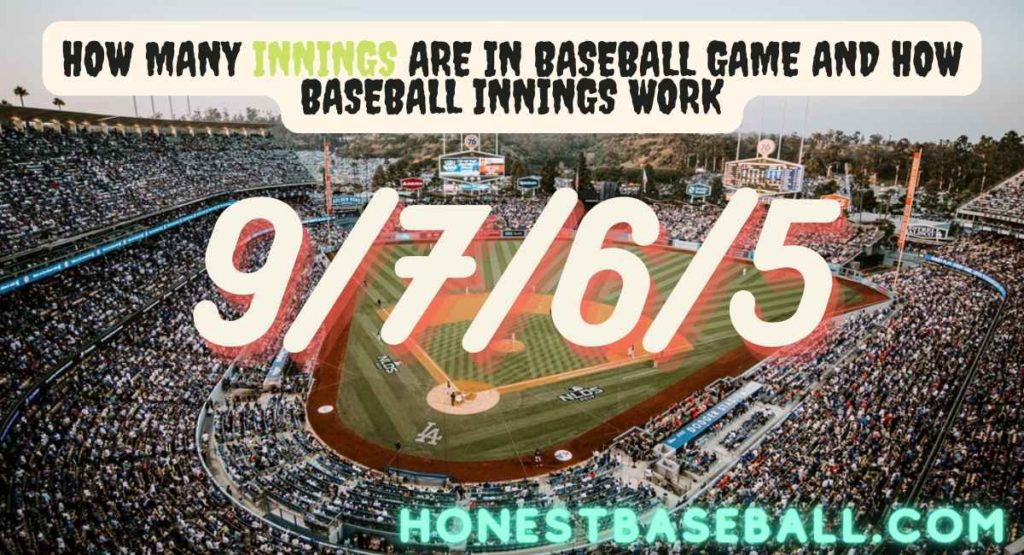
No, not all baseball games have nine innings. While professional and collegiate games typically adhere to nine innings, youth leagues and some amateur competitions often play shorter games, usually five or seven innings, to accommodate younger players and time constraints. Specific rules like the mercy rule can also shorten games.
What happens if a game is tied after nine innings?
If a baseball game is tied after the completion of the nine regulation innings, it goes into extra innings. Play continues inning by inning until one team gains a lead at the end of a full inning. In MLB, a runner is placed on second base at the start of each extra inning to expedite scoring.
Can a baseball game end early due to a large lead?
Yes, many baseball games, especially in youth, high school, and collegiate levels, can end early due to a mercy rule (also known as a run-ahead rule). This rule declares the game over if one team has a significant lead (e.g., 10 runs) after a specified number of innings (e.g., five), preventing excessively long, one-sided contests.
How does weather affect the number of innings played?
Weather significantly impacts innings played. If a game is stopped due to rain or other conditions, it's considered official if at least five innings (or 4.5 if the home team is leading) have been completed. If less than this, the game may be suspended and resumed later, or in some cases, rescheduled completely, impacting the full nine innings.
How Many Innings in Baseball A Full Guide
Welcome to the ultimate guide for understanding how many innings are in a baseball game. Whether you are a lifelong fan, a newcomer to America's pastime, or someone looking to finally grasp the fundamental structure of baseball, this article is designed for you. In 2026, with baseball's enduring popularity and new fan engagement across various digital platforms, understanding the game's core mechanics, like innings, is more important than ever. While the world of PC gaming is seeing monumental shifts with AI-enhanced experiences and cloud streaming, the classic appeal of baseball remains constant, rooted in its timeless rules. This comprehensive breakdown will cover everything from the standard regulation game length in professional leagues to the variations found in youth baseball, explaining why games sometimes extend beyond their typical duration or end prematurely. We'll dive deep into the rhythm of the game, helping you appreciate every pitch and every play with a newfound clarity. Get ready to enhance your baseball IQ and truly master the question of how many innings are in a baseball game.

The Core Structure Standard Nine Innings
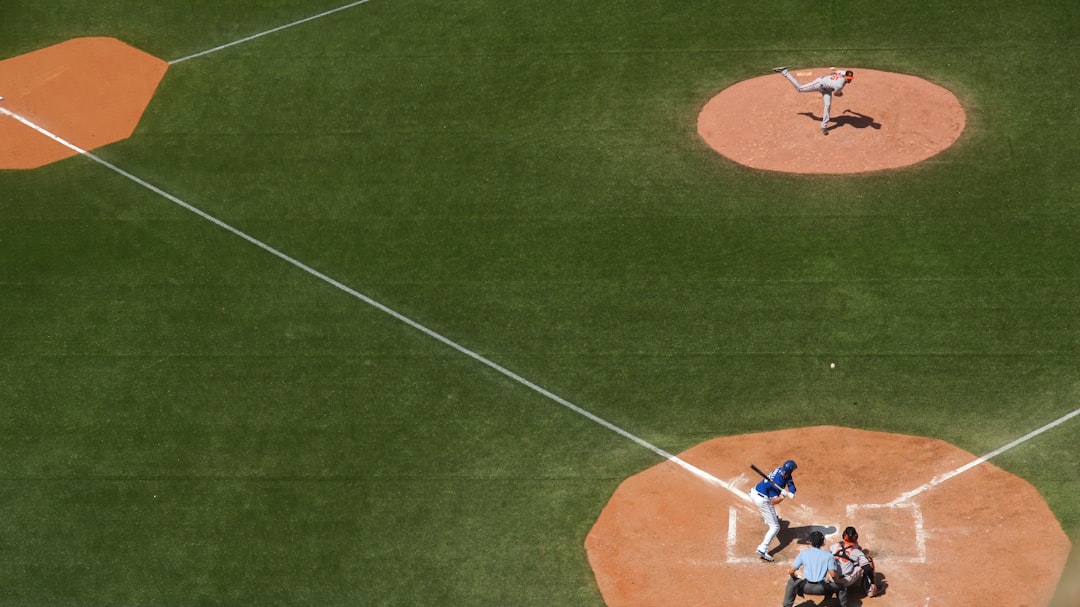
At its heart, a traditional baseball game is structured around nine innings. This is the cornerstone of professional baseball, including Major League Baseball MLB, and collegiate play. Each inning is divided into two halves a top and a bottom. During the top half, the visiting team takes their turn at bat, attempting to score runs, while the home team plays defense. Once the visiting team records three outs, the teams switch roles for the bottom half of the inning, where the home team bats and the visiting team defends. This alternating pattern continues for all nine innings. The nine-inning standard provides a balanced competitive environment, allowing both teams ample opportunities to build a lead, make comebacks, and showcase their offensive and defensive strategies. It's a fundamental aspect that has largely remained unchanged for generations, defining the pace and narrative of countless iconic matchups. Mastering this basic concept is the first step in understanding the true beauty and strategic depth of the game.
What is a regulation game length in MLB?
In Major League Baseball MLB, a regulation game is scheduled for nine innings. This established length ensures a complete contest where both teams have sufficient chances to compete. If the home team is ahead after the top of the ninth inning, the bottom half is not played, and the game ends. If the visiting team is ahead, or the score is tied, the full nine innings must be completed. This commitment to nine innings contributes significantly to the strategic elements of game management, including bullpen usage, pinch-hitting decisions, and overall tactical play. The nine-inning format is deeply ingrained in baseball culture and dictates the expectations of players, coaches, and fans alike. It is the gold standard for how many innings are in a baseball game at the professional level.
How many outs are in a full baseball game?
Given the standard nine-inning structure, there are typically 27 outs recorded by each team in a full baseball game, totaling 54 outs for both teams combined if the home team bats in the bottom of the ninth. Each half-inning concludes when the batting team records three outs. Since there are two halves per inning across nine innings, that's 3 outs/half-inning * 2 halves/inning * 9 innings = 54 outs. If a game goes into extra innings, additional outs will be recorded until a winner is determined. This numerical consistency ensures that each team faces an equivalent challenge in retiring opposing batters and preventing runs, maintaining the balance and fairness of competition throughout the contest.

Beyond Nine The Phenomenon of Extra Innings
Baseball's unique charm often lies in its ability to extend beyond the expected, especially when a game is tied after the regulation nine innings. This is where the concept of extra innings comes into play, adding an exhilarating layer of suspense and strategy. Unlike sports with fixed overtime periods, baseball continues inning by inning until a winner emerges. There is no clock, only outs, and the game progresses until one team secures a lead at the end of a full inning. This can lead to marathon matchups that test the endurance of players and captivate fans for hours. The strategy shifts dramatically in extra innings, with managers often making aggressive decisions regarding pitching changes, stolen base attempts, and sacrifice bunts to break the deadlock. It’s in these extended frames that many of baseball's most memorable and dramatic moments unfold, showcasing the relentless competitive spirit of the sport. Understanding extra innings is vital for comprehending the full scope of how many innings are in a baseball game and its potential for unexpected twists.
What rules apply during extra innings?
During extra innings, the fundamental rules of baseball largely remain the same; however, Major League Baseball MLB has introduced a significant modification in recent years to help accelerate game resolution. Since the 2020 season, MLB implemented a rule where a runner is placed on second base at the start of each extra inning. This rule, often referred to as the "ghost runner" or "Manfred Man" rule, aims to increase scoring opportunities and reduce the likelihood of excessively long games, particularly during the regular season. This runner is credited with an unearned run if they score. Aside from this specific runner-on-second rule, pitching changes, defensive alignments, and batting order continue as usual, but the heightened pressure often leads to more strategic and intense play. This adjustment significantly impacts how many innings are in a baseball game by encouraging quicker resolution in ties.
Are there limits to how many extra innings can be played?
Traditionally, in professional baseball, there are no limits to how many extra innings can be played. Games continue until one team has a lead after a completed inning. Historically, some games have extended deep into the night or even spanned multiple days due to ties. However, in certain amateur leagues or tournaments, time limits or specific rules might be in place to prevent excessively long games. For example, some tournaments may declare a tie after a certain number of extra innings, or use tie-breaking procedures like a home run derby. In MLB, while there's no inning limit, the runner-on-second rule helps to naturally shorten the duration of extra-inning games. This open-ended possibility truly defines the competitive spirit of how many innings are in a baseball game when the score is locked.

Variations and Exceptions Shorter Games and Mercy Rules
While the nine-inning standard defines professional baseball, the sport accommodates various game lengths, especially in youth leagues and under specific conditions. These variations are designed to ensure player safety, manage game duration, and adapt to different competitive environments. Understanding these exceptions is crucial for a complete picture of how many innings are in a baseball game beyond the MLB norm. From the time-constrained play of little league to the swift conclusion of a mercy-rule game, baseball's flexibility ensures that the spirit of competition can thrive across all levels and circumstances.
How many innings are in youth baseball games?
The number of innings in youth baseball games varies significantly depending on the age group and specific league rules. For younger divisions, such as Little League Majors or similar programs for ages 10-12, games are typically six innings long. For even younger players (e.g., 7-9 years old), games might be reduced to four or five innings to manage fatigue and maintain engagement. High school baseball often plays seven innings, serving as a bridge between youth and collegiate/professional nine-inning formats. These adjusted lengths are vital for player development, preventing overuse injuries, and ensuring that games remain enjoyable and appropriately challenging for their respective age brackets. Understanding these adjustments is key to comprehending how many innings are in a baseball game for junior players.
What is the mercy rule and how does it affect game length?
The mercy rule, also known as the run-ahead rule or slaughter rule, is a regulation designed to end a game early when one team has established a substantial lead over the other, making a comeback highly improbable. This rule is most commonly found in youth, amateur, and collegiate baseball, though it is not used in professional MLB games. The specific criteria for a mercy rule vary by league, but typical scenarios include one team leading by 10 runs after five innings, or 15 runs after three innings. Once these conditions are met, the game is immediately declared over, saving time, preventing further demoralization for the losing team, and conserving pitching arms. The mercy rule significantly affects how many innings are in a baseball game by providing a mechanism for early conclusion when the outcome is clear.
Can a game be shortened due to weather?
Yes, inclement weather, such as rain, snow, or fog, can absolutely lead to a baseball game being shortened or even suspended. For a game to be considered official, a certain number of innings must be completed. In professional baseball (MLB), if a game is called due to weather, it is considered official if five innings have been completed, or four and a half innings if the home team is leading. If a game is called before reaching this official status, it is typically suspended and resumed from the point of stoppage at a later date, or in some cases, rescheduled entirely. These weather-related rules ensure fairness and game integrity, preventing teams from suffering losses in incomplete contests. The weather contingency is a critical factor in determining how many innings are in a baseball game that ultimately counts in the standings.
The Strategic Impact of Innings on Game Play
The concept of innings extends far beyond simple timekeeping; it profoundly influences strategy, player performance, and the psychological ebb and flow of a baseball game. Each inning presents a unique mini-narrative, with managers making critical decisions, pitchers adjusting their approach, and batters seeking opportune moments. The nine-inning structure, or its variations, dictates everything from bullpen management to pinch-hitting strategies and defensive shifts. Early innings are often used to establish a rhythm and test opponents, while middle innings become crucial for building or protecting leads. The late innings, especially the seventh, eighth, and ninth, are known as "crunch time," where every pitch and every out carries immense pressure and can dramatically alter the game's outcome. Understanding this strategic depth allows fans to appreciate the chess match unfolding on the diamond and fully grasp the importance of how many innings are in a baseball game.
How does game duration relate to innings?
The number of innings directly correlates with the duration of a baseball game, though other factors also play a significant role. A standard nine-inning MLB game typically lasts around three hours, but this can vary widely. Factors like pitching changes, mound visits, offensive rallies, and replay reviews can extend game length. Extra innings will, of course, add considerably to the total time. Conversely, shorter games in youth leagues (e.g., five or seven innings) naturally reduce the overall duration. MLB has implemented rules in recent years, such as the pitch clock, to try and shorten game times while maintaining the integrity of the nine-inning structure. Ultimately, the number of innings provides the foundational framework for estimating game length, but the dynamic nature of play introduces variability.
Why are the 7th, 8th, and 9th innings often considered most critical?
The 7th, 8th, and 9th innings are often considered the most critical because they represent the final opportunities for teams to secure a lead, mount a comeback, or close out a victory. These "late innings" introduce immense pressure, as the margin for error shrinks significantly. Managers typically bring in their best relief pitchers, often specialists, to handle these high-leverage situations. Offensive strategies become more aggressive, with every baserunner and every out carrying increased weight. A single error or timely hit in these innings can entirely shift momentum and determine the game's outcome. The psychological intensity and strategic chess match during these final frames are what make baseball so compelling, highlighting why how many innings are in a baseball game is crucial for understanding its climax.
Conclusion Master the Innings, Master the Game
Understanding how many innings are in a baseball game is not just about knowing a number; it is about grasping the fundamental rhythm, structure, and strategic depth of America's beloved pastime. From the iconic nine-inning professional contest to the adaptive shorter games in youth leagues and the nail-biting drama of extra innings, the concept of the inning dictates the flow and intensity of every baseball match. We've explored the standard rules, various exceptions, and the profound impact innings have on game duration, strategy, and player performance. By mastering these foundational elements, you're not just watching a game; you're appreciating a complex, dynamic, and endlessly fascinating sport. As fans continue to engage with baseball in 2026, a solid understanding of its core rules remains timeless. Now go forth and enjoy the beautiful game with enhanced knowledge and appreciation!
About the Author
Hey there, fellow sports enthusiasts! I'm Alex "Grand Slam" Miller, and while I spend my evenings dominating virtual battlefields and optimizing my gaming rig for the latest AI-enhanced titles, my true passion during the day lies on the diamond. As an expert in both digital strategy and baseball analytics, I bring a unique perspective to breaking down the intricacies of sports. My goal is to make complex topics like baseball's inning structure accessible and engaging for everyone. When I'm not diving into stats or theorycrafting the next big gaming meta, you'll find me at the ballpark, cheering on my favorite team, or deep-diving into the history of the game. Follow my insights for more comprehensive guides on everything from sports rules to the cutting edge of PC gaming.
Standard baseball games feature nine innings. Professional and collegiate baseball adhere to nine innings, while youth leagues often play shorter games, typically five to seven innings. If scores are tied after the final regulation inning, games proceed into extra innings until a winner is determined. Specific rules like the mercy rule can shorten games, especially in amateur play. Understanding innings is crucial for following game flow and scoring.
35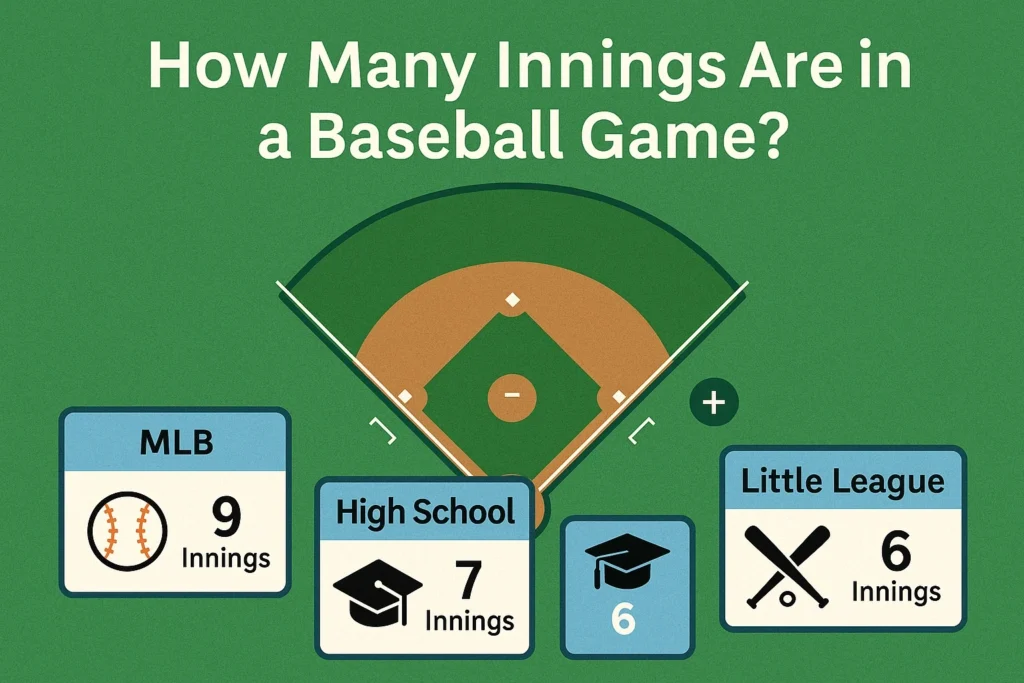

What Is WHIP In Baseball Up In The Rafters Image. How Long Is A Baseball Game Innings Duration Explained Innings In Baseball. How Many Innings Are There In A Baseball Game Cracking The Innings How Many Innings Are In Baseball Game And How Baseball Innings Work 1024x555 . How Many Innings Are In Baseball How To Play This Game How Many Innings Are In. How Many Innings In Baseball All The Details YouTube


MLB Schedule All Star Game MLB Betting Odds MyBookie 2026 Mlb Schedule. How Many Innings In Baseball College MLB Game Length Explained IMG 9511.JPG. How Many Innings Are In A Baseball Game YouTube Oar2 . How Many Innings In Baseball Game Everything You Need Know Without Logo Post Design New 16 10 . How Many Innings In Baseball Gaimday Innings Baseball 1024x614




How Many Innings In Baseball A Quick Guide For Fans And Players V2 Iudg1 N6ygy . How Many Innings In Baseball A Guide To World Series Extra Innings. What Is An Inning And How Many Innings Are There In Baseball Suzitee 150657251.0 . How Long Do Innings Last In Baseball Explained And What To Expect The Average Length Of Major League Baseball Games 1946 2022 V0 . MLB 9 Innings 26 2026 GuidesGame Mlb 9 Innings Rivals 26 Art 2000x1125 1 768x432


How Many Innings In Baseball InningAce Baseball Innings Top And Bottom . Baseball Scoreboard Explained R H E Line Scores More Baseball Scoreboard Detailed . MONTANA ALBERTA AMERICAN LEGION BASEBALL 2026 Pitch Count Table . MLB Win Totals Projecting Every Team S Record For 2026 Season Yahoo. 2026 Baseball Schedules BcsBALL Com Screenshot 2026 05 09 180743


How Many Innings Are There In A Baseball Game How Many Innings Are There In A Baseball Game . How Many Innings Are In College Baseball A Complete Guide For Fans And College Baseball 300x171 . 2026 MLB Schedule Printable PDF Late May Standings And Live TV Guide 2026 MLB Schedule Release . ESPN Unveils More MLB Game Selections For Key Dates In 2026 ESPN Mlb 32 . How Many Innings Are In Baseball And How Long Does A Baseball Game Baseball Game 768x421

How Many Innings In Softball Game Length By Level 2026 HoopsKing Green Black Modern Shapes Baseball Game Facebook Event Cover . How Many Innings Are In College Baseball NCAA Rules Extra Innings Baseball Player Playing Baseball In Ballpark Pitcher Mound College Baseball Evening Game . MLB 9 Innings 26 2026 Season Update Pre MVTdtZqYwo . MLB 9 Innings 26 And Rivals 26 Both Receive New Updates MLB 9 Innings 26 Art . How Many Innings Are In The World Baseball Classic Image




College Baseball Game Time How Long Do Games Last How Many Innings In College Baseball Game Structure 800x1200 . MLB Perfect Inning 26 Gets A Major Update To Celebrate The 2026 MLB Mlb Perfect Inning 26 2026 Season Opening Update Banner . How Many Innings Are In A College Baseball Game The Figure 01 How Many Innings Are In A College Baseball Game . MLB Announces 2026 Game Times . How Many Innings In Baseball Baseball Bible How Many Innings In Baseball 768x511