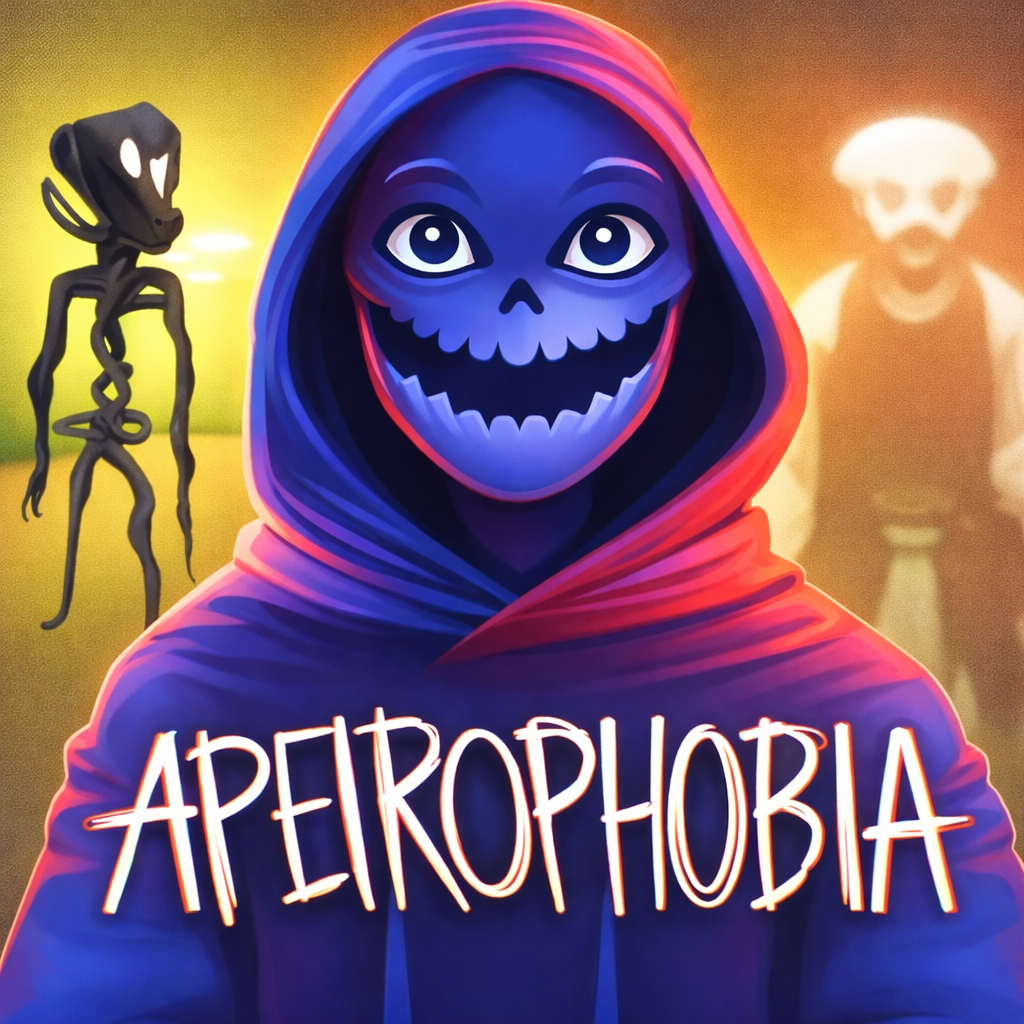
Hey there, fellow gamers! Have you ever wondered what makes Arephobia on Roblox so terrifyingly popular right now? It's that heart-pounding suspense, isn't it? The kind that makes you question every shadow and jump at every creak. This year, Arephobia isn't just a game; it's an experience, pulling players into its shadowy embrace with its unique blend of psychological horror and thrilling cooperative gameplay. It’s been dominating discussions and topping charts, evolving constantly to keep us on the edge of our seats.
We're talking about a title that perfectly nails the essence of fear, delivering a truly memorable scare while demanding clever teamwork. Why is everyone talking about Arephobia? How do you even survive its terrifying encounters? Where can you find the best strategies to overcome its challenges? Stick around, because we’re diving deep into everything Arephobia to help you not just play, but truly conquer your fears. This guide will equip you with all the knowledge you need, from mastering the basics to understanding the most advanced tactics, ensuring you and your squad can face the darkness head-on and emerge victorious.
Understanding Arephobia The Core Experience
Arephobia isn't your average Roblox horror game; it's a meticulously crafted experience designed to test your nerves and teamwork. At its heart, it is a cooperative survival horror where players are thrust into dimly lit, procedurally generated environments. The main goal usually revolves around completing objectives, solving puzzles, and ultimately escaping, all while evading terrifying, unseen entities. This setup ensures that no two playthroughs are exactly alike, keeping the fear fresh and the challenges unpredictable. The game's atmosphere is a masterclass in tension building, utilizing sound design and environmental cues to create a truly immersive and unsettling world. Every step feels heavy, every distant whisper sends shivers down your spine, making the eventual jump scares even more impactful. It's a game that thrives on communication and coordination, forcing players to rely on each other when faced with overwhelming odds.
Key Gameplay Mechanics and How They Impact You
Diving into Arephobia means understanding its intricate mechanics, which are crucial for survival. The flashlight, your most vital tool, has limited battery life, forcing strategic usage and adding another layer of anxiety. Resources like healing items or special tools are scarce, encouraging careful inventory management and resource sharing amongst your team. The entities themselves possess varied behaviors, some hunting relentlessly, others patrolling specific areas, demanding players adapt their stealth and evasion tactics. Environmental hazards, such as collapsing floors or dark traps, add further dangers, requiring keen observation and quick reflexes. The game often incorporates puzzle elements that require collective problem-solving, like deciphering codes or activating specific machinery. Mastering these mechanics isn't just about knowing them; it’s about instinctively reacting under pressure, a skill that Arephobia hones with every terrifying minute you spend within its haunted halls.
Strategy and Survival Advanced Tactics
For those looking to move beyond mere survival and truly dominate Arephobia, advanced strategies are essential. Effective team roles can significantly increase your chances of success. Assigning a designated scout, a puzzle solver, and a support player who manages resources can streamline gameplay. Understanding entity movement patterns and exploiting their weaknesses becomes vital; some entities are sensitive to light, while others might be slower in certain terrains. Utilizing sound cues to pinpoint entity locations before they become a visible threat allows for proactive evasion rather than reactive panic. Map knowledge, even of procedurally generated layouts, can be improved by recognizing recurring structural elements and safe zones. Practicing quick item usage and efficient movement, like knowing when to sprint versus when to crouch-walk, are skills honed through experience. These tactical approaches transform the game from a frantic scramble into a calculated survival effort, demonstrating true mastery.
The Lore and Mystery Behind Arephobia
One of Arephobia's most compelling aspects is its enigmatic lore, which players often piece together through environmental storytelling and subtle clues. The game doesn't explicitly tell you a grand narrative but instead invites you to uncover the chilling backstory of the deserted facilities or haunted locations you explore. Why are these entities here? What caused the catastrophic events that led to their existence? These questions linger, adding a profound sense of dread and curiosity. Notes, cryptic messages, and visual anomalies often provide fragments of information, hinting at scientific experiments gone awry, ancient curses, or forgotten tragedies. Engaging with the lore deepens the horror experience, making the encounters with entities feel more significant than just jump scares. It transforms the gameplay into an archaeological excavation of fear, where every discovery enhances the unsettling atmosphere and motivates players to seek answers in the darkness.
Community Engagement and Future Updates
The Arephobia community is a vibrant and active one, constantly sharing theories, strategies, and experiences. Online forums and social media platforms are buzzing with discussions about new updates, potential lore revelations, and fan-made content. The developers often engage with this community, taking feedback and implementing suggestions, which fosters a strong sense of player ownership and involvement. This commitment to ongoing development means Arephobia is a living game, regularly receiving patches that fix bugs, balance gameplay, and introduce fresh content. New maps, entity types, items, and even game modes are frequently added, ensuring the experience remains fresh and challenging. These consistent updates are a major reason for the game's sustained popularity, demonstrating a clear path for its future and keeping players eagerly anticipating what terrifying innovations will come next.
Beginner / Core Concepts
Starting out in Arephobia can feel like a sudden plunge into a cold, dark lake, and I totally get why it might feel overwhelming! But don't worry, you're not alone in navigating those initial scares. It's all about getting your bearings and understanding the fundamental rules before you can really start enjoying the terror. Let's break down those first steps so you can feel a bit more confident when the lights go out.
- Q: What is Arephobia on Roblox and how do you even play it?
- Q: I keep dying immediately! What are the absolute basics for staying alive longer?
- Q: What's the deal with flashlights and other items? How do I use them effectively?
- Q: Are there different kinds of monsters or entities? How do I know what to do when I see one?
A: Arephobia is a super popular cooperative horror game on Roblox where you and your friends team up to survive terrifying environments. Think escape room meets monster mash! You'll be exploring dark maps, solving puzzles, and doing your best to avoid creepy creatures that want to turn you into their next snack. Playing involves using your flashlight to see, moving stealthily, and communicating with your squad. It’s not just about running; it's about strategy and sticking together. You start by joining a server, usually with 3-5 other players, and then the game drops you into a random, eerie location. Your objectives will pop up on your screen, guiding you through the terrifying journey. Don't forget, listening for sound cues is key, as they often warn you of approaching danger before you see it. You've got this!
A: I totally get why this frustrates so many people, especially at first! The game can feel really unforgiving. The absolute basics for survival are actually pretty simple once you get the hang of them. First, always stick with your team; strength in numbers really applies here. Second, manage your flashlight battery; only use it when you absolutely need to see, because going completely dark can be a death sentence. Third, listen intently for sound cues; they’re often your first warning of an entity nearby. Don't sprint everywhere, as noise attracts attention. Crouch-walking is your best friend when trying to sneak past danger. And finally, if an entity spots you, run towards your team or a known safe spot if possible. Don't just stand there; move! You'll get better with practice, I promise!
A: Flashlights in Arephobia are your lifesaver, but they're also a double-edged sword, right? I remember always running out of battery at the worst possible moment! The key is efficient use. Only turn it on when you need to navigate tight spaces, solve puzzles, or check corners. Flick it off in open, relatively safe areas, or if you hear an entity nearby and want to remain unseen. As for other items, you might find health packs, batteries, or specialized tools. Health packs are for healing, obviously, but use them wisely because they're scarce. Batteries recharge your flashlight, so prioritize finding them. Specialized tools are usually for specific puzzles, so hold onto them until you know their purpose. Always share what you find with your team if someone needs it more. Teamwork makes the dream work, even in a nightmare! Try focusing on conserving that battery next time; it makes a huge difference.
A: This one used to trip me up too, because the entities aren't always what you expect! Yes, Arephobia features several different types of entities, each with unique behaviors and ways to deal with them. Some might be blind but extremely sensitive to sound, meaning you need to be super quiet. Others might chase relentlessly if they see you, requiring you to break line of sight quickly. There are also environmental entities that are more like traps or hazards. The best way to know what to do is to observe and communicate with your team. Is it slow? Can it see in the dark? Does it react to light? If you spot one, quietly alert your teammates, describe its behavior, and collectively decide on a plan. Often, stealth is your best bet, but sometimes a well-timed sprint to safety is necessary. Learning their patterns takes time, but you'll start recognizing them after a few encounters. Keep learning, you'll be an expert soon!
Intermediate / Practical & Production
Alright, you've survived a few rounds, maybe even escaped once or twice – awesome job! Now we're moving past the basics and into the strategies that separate the casual players from the true Arephobia veterans. This is where we start talking about teamwork, resource management, and those tricky moments that can make or break a run. It's about refining your skills and understanding the deeper mechanics.
- Q: How important is communication in Arephobia, and what's the best way to do it with my team?
- Q: Are there specific roles or strategies teams should adopt to increase their survival rate?
- Q: What are the most common mistakes intermediate players make, and how can I avoid them?
- Q: How do procedural generation and map layouts affect strategy? Should I memorize anything?
- Q: What's the best approach to puzzle-solving when an entity is nearby or actively chasing?
A: Oh, my friend, communication isn't just important in Arephobia; it's absolutely paramount! It's the difference between a successful escape and a messy wipe. Think of it like a horror movie where everyone just runs around screaming – that never ends well, right? The best way to communicate is clearly and concisely. Use voice chat if possible; it's much faster than typing, especially when things get intense. Call out entity locations, describe their behavior, announce when you find a crucial item like a key or a battery, and confirm when you've completed an objective. Avoid unnecessary chatter or panicking into the mic, as that just causes confusion. Try using precise directional callouts like "Entity, left side of the large room!" rather than just "Monster!" Establish simple code words or quick phrases for common situations beforehand. Strong communication builds trust and coordination, making your team a well-oiled survival machine. It seriously makes all the difference; practice talking strategically!
A: Absolutely! Thinking about team roles can dramatically boost your survival rate; it's like a special ops team against the darkness! While Arephobia doesn't formally assign roles, good teams often naturally fall into them. You might have a 'Scout' who carefully pushes ahead, mapping the immediate area and listening for dangers, always ready to fall back. A 'Resource Manager' focuses on finding and distributing items like batteries and health packs, ensuring everyone has what they need. The 'Puzzle Solver' dedicates themselves to deciphering clues and activating mechanisms, often while being protected by others. Then there's the 'Support/Backup' who sticks close, ready to assist, distract, or revive. Having a 'Lead' who makes calls during chaotic moments is also super helpful. It's not about being locked into a role forever, but knowing who's generally doing what at a given moment can prevent chaos and maximize efficiency. Discuss this with your team before starting; it's a game-changer!
A: I've seen so many good runs go south because of these common blunders; you’re smart to ask! One big mistake is becoming overconfident after a few successful runs and getting sloppy with stealth or flashlight use. Another is splitting up too much, which leaves individuals vulnerable to entities that thrive on isolated targets. Panicking and running aimlessly when spotted is also a huge trap; often, a calculated evade or even a brief distraction by a teammate is better. Forgetting to share resources or hogging them is another team-killer; remember, if one person dies, it weakens the whole group. Also, neglecting sound cues because you're focused on visuals can be deadly. To avoid these, maintain discipline in your movements, always consider your team's position, have an escape plan, and keep that communication channel clear. A calm head and a generous spirit will serve you well. You've learned the ropes, now refine your play!
A: This is a fantastic question because it speaks to the replayability and challenge of Arephobia! Procedural generation means the maps are somewhat different each time you play, which keeps things fresh but also means you can't just memorize a perfect route. However, you absolutely should memorize *elements* and *patterns*. You'll notice recurring room types, hallway structures, and puzzle locations that appear in various configurations. Learn to recognize these common building blocks, where loot generally spawns, and potential choke points or safe spots within them. Understand that the general *flow* and *vibe* of a map type (e.g., abandoned hospital, creepy mansion) will remain consistent, even if the layout shifts. Focus on quick environmental assessment at the start of each round to identify escape routes, objective markers, and potential hiding places. Adapting to the unknown quickly is a skill, not just memorization. Don't worry about memorizing every brick; focus on recognizing the blueprints. You’ll become a pro at spatial reasoning in no time!
A: Ugh, trying to solve a puzzle with a monster breathing down your neck is the worst, right? This requires a cool head and often, some quick teamwork. First, *don't panic*. If you're the designated puzzle solver, communicate the situation immediately: