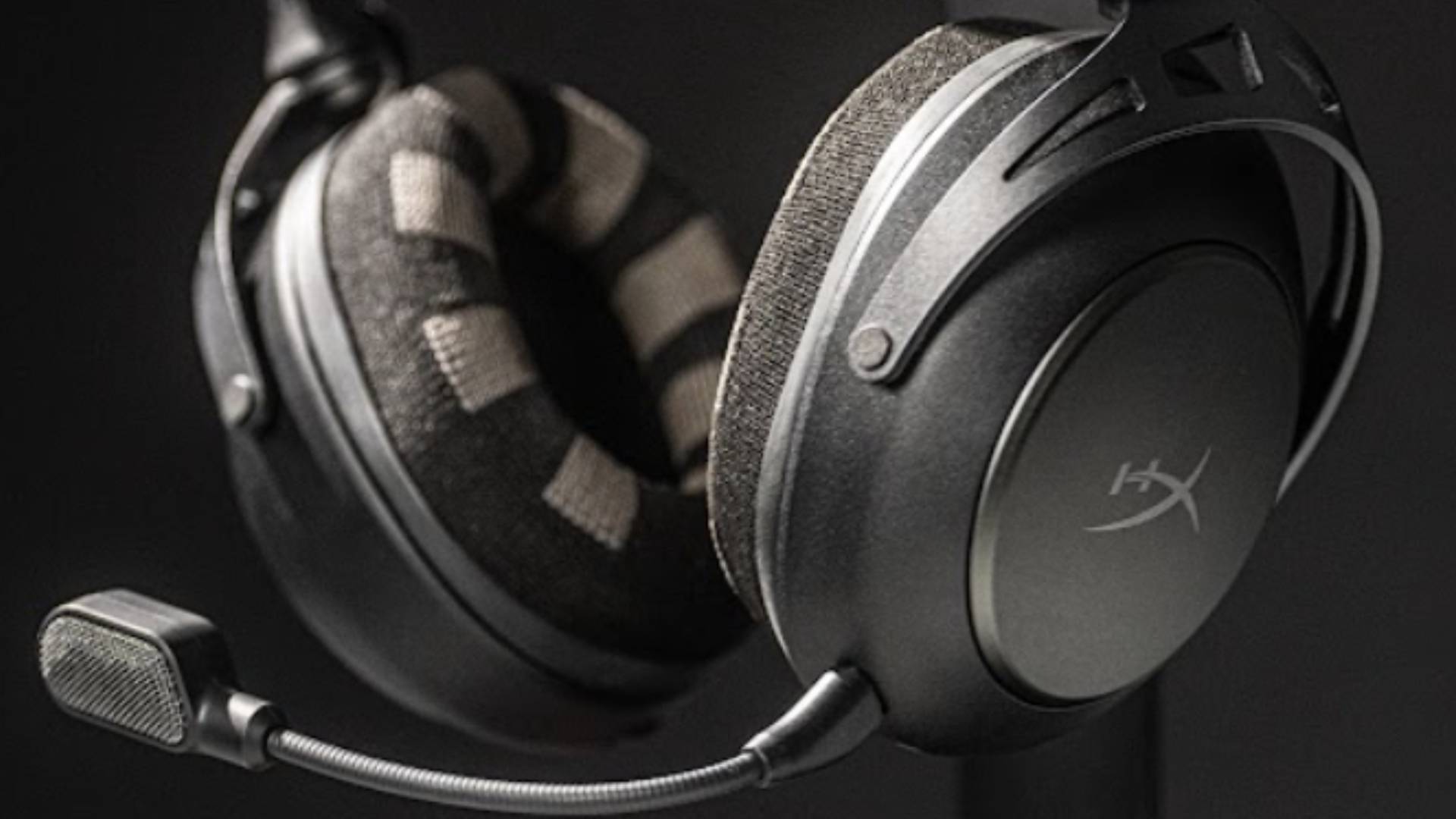
For many US gamers, gaming isn't just a hobby; it's a vital escape, a way to connect with friends, unwind after a long day, or sharpen skills. With an average age of US gamers around 36 and over 60% regularly dedicating 10+ hours a week, balancing life with a passion for gaming is a delicate act. You're not looking for hype; you're looking for solutions that enhance your experience without adding unnecessary friction. A crucial piece of that puzzle, often overlooked until it fails, is a gaming headset. It's more than just headphones; it's your portal to immersive soundscapes, clear communication with teammates, and a significant edge in competitive titles. This month's data shows social gaming and cross-play continue to dominate, making a reliable gaming headset more essential than ever for staying connected and fully immersed. Whether you're navigating the sprawling open world of a new AAA release, coordinating strategies in a fast-paced esports title, or simply chatting with friends in a cozy game, your audio gear makes all the difference. Yet, choosing the right gaming headset can be a minefield of technical jargon and conflicting reviews. From connectivity conundrums to comfort compromises, many adult gamers face similar pain points. This guide is designed to empower you with the knowledge to select the perfect a gaming headset that fits your lifestyle, budget, and gaming preferences, ensuring every session is as enjoyable and effective as possible.
We understand you need practical, no-nonsense advice to make an informed decision. Forget the marketing fluff; we'll focus on what truly matters to gamers who balance their passion with real-world responsibilities. This article will help you cut through the noise, offering clear answers to the most pressing questions about a gaming headset in 2026, helping you optimize your performance, enhance your social play, and get maximum value for your hard-earned money. Let's dive in and elevate your audio experience.
Why is a dedicated a gaming headset crucial for adult gamers?
A dedicated a gaming headset offers a level of immersion and tactical advantage that standard headphones simply can't match. For adult gamers who value their limited free time, precision audio means quicker reactions in competitive games and deeper immersion in narrative-driven experiences. High-quality spatial audio, often featuring virtual 7.1 surround sound or even true 3D audio on platforms like the PS5, allows you to pinpoint enemy footsteps or environmental cues with uncanny accuracy. This isn't just about sound; it's about information and gaining an edge. Beyond performance, clear communication is paramount for social gaming, which, according to recent trends, is how 87% of US gamers regularly engage with their hobby. Whether you are strategizing with your squad in a modern shooter or simply enjoying a cooperative session with friends, a superior microphone ensures your voice comes through without distortion or background noise, making every interaction seamless and enjoyable. This quality prevents misunderstandings, reduces frustration, and fosters a more connected social experience, which is a key stress reliever for many.
What are the essential features to look for in a gaming headset in 2026?
When selecting a gaming headset this year, several features stand out as non-negotiable for a premium experience. First, **comfort** is paramount; look for lightweight designs, breathable earcups (memory foam or velour are excellent), and adjustable headbands that distribute pressure evenly for those longer gaming sessions. Second, **sound quality** should prioritize a balanced audio profile for both immersive games and clear voice chat, with good bass for explosions and crisp highs for footsteps. **Microphone clarity** is equally vital; opt for headsets with noise-canceling or AI-enhanced mics that filter out ambient sounds, ensuring your teammates hear you, not your family or keyboard. Third, consider **connectivity**: wireless options like 2.4GHz USB dongles offer low latency and freedom, while Bluetooth is great for mobile, and a traditional 3.5mm jack ensures universal compatibility. Finally, **build quality** and durability are key, as a headset should withstand regular use. Features like on-ear controls for volume and mic mute, and software customization for EQ settings, further enhance the user experience.
How do wired and wireless gaming headsets compare for different playstyles?
Choosing between a wired and wireless gaming headset depends heavily on your specific playstyle and setup. **Wired headsets** generally offer superior audio fidelity due to a direct connection, zero latency, and no battery concerns. They are often more affordable for comparable sound quality and are a great choice for competitive PC gamers who demand absolute precision and reliability. However, the cable can be restrictive, limiting movement and potentially leading to clutter. **Wireless headsets**, particularly those utilizing 2.4GHz proprietary dongles (not standard Bluetooth), provide unparalleled freedom of movement and a cleaner setup, ideal for console gamers on the couch, VR enthusiasts, or those who frequently move between devices. While their latency is now incredibly low, comparable to wired, they do require charging, and higher-end models can be significantly more expensive. For adult gamers who value convenience and a clutter-free space, modern wireless options are very compelling, especially with current advancements in battery life and connection stability.
Which gaming headset offers the best value for money without sacrificing quality?
Finding a gaming headset that delivers excellent value without compromising on quality is a sweet spot for many budget-conscious gamers. The sweet spot often lies in the mid-range price bracket, typically between $80-$150, where brands offer robust features from their premium lines adapted for affordability. Look for models that emphasize solid build materials, comfortable designs, and a strong focus on core audio performance and microphone clarity. Many headsets in this range offer virtual surround sound, decent battery life (for wireless models), and cross-platform compatibility. Prioritize headsets with positive user reviews that highlight durability and consistent performance over flashy, less essential features. Some brands consistently deliver in this segment by focusing on core gamer needs. Always check current sales and seasonal discounts from reputable retailers to maximize your savings. Remember, value isn't just the initial price, but the longevity and overall satisfaction you get from the product.
How can a gaming headset improve my communication and social gaming experience?
A high-quality gaming headset dramatically elevates your communication and social gaming experience, transforming potentially frustrating interactions into seamless teamwork and enjoyable conversations. The key lies in two main components: a clear microphone and effective sound isolation. With a **crystal-clear microphone**, your voice comes through without static, background noise, or distortion. This means your friends or teammates understand your callouts instantly, reducing miscommunications that can cost you a match or ruin a shared laugh. Many modern gaming headsets incorporate advanced noise-canceling technology, sometimes even AI-powered, to filter out ambient sounds like keyboard clicks, a nearby TV, or even crying children, a common reality for many adult gamers. **Effective sound isolation** from the earcups further enhances this by preventing game audio from bleeding into your mic and blocking out real-world distractions, allowing you to focus entirely on the game and your conversations. This combination fosters a more connected and enjoyable social environment, whether you're coordinating a raid on Discord or simply catching up with friends during a casual session of a popular cozy game.
What connectivity options should I prioritize for cross-platform play?
For gamers juggling multiple platforms – PC, PlayStation, Xbox, Switch, and even mobile – prioritizing versatile connectivity options in a gaming headset is crucial for a streamlined experience. The ideal headset for cross-platform play will typically offer a combination of connections. A **3.5mm audio jack** is the most universal, ensuring compatibility with virtually every device, though it won't offer advanced features like virtual surround sound on some consoles. For wireless freedom, a **2.4GHz USB dongle** is often preferred for PC, PlayStation, and sometimes Nintendo Switch (docked), providing low-latency audio crucial for gaming. Xbox, however, often requires specific Xbox Wireless technology for full wireless functionality. Many newer headsets also include **Bluetooth** for mobile gaming (a growing trend, especially with 87% of US gamers regularly playing) and connecting to other Bluetooth-enabled devices. Look for headsets that can connect via multiple methods simultaneously or switch easily between them, offering true plug-and-play versatility across your entire gaming ecosystem. This month's top headsets are increasingly integrating robust multi-connectivity features to meet the demands of a diverse gaming audience.
How do I troubleshoot common gaming headset sound and microphone issues?
Encountering sound or microphone issues with your gaming headset can be frustrating, but many common problems have simple fixes. Start with the basics: ensure all cables are securely plugged in, and for wireless headsets, check battery levels and confirm they're paired correctly. On PC, verify your headset is selected as the default input and output device in your sound settings, and check application-specific audio settings (like Discord or game settings) as they can override system defaults. A classic troubleshooting step is to restart your device or gaming console. If your microphone isn't working, ensure it's not muted (physical button or software setting), and check privacy settings on your operating system or console that might restrict mic access. Update your headset drivers or software if available, as manufacturers frequently release patches for compatibility and performance. Finally, test the headset on another device to rule out a hardware fault with either the headset or your primary gaming system. Often, a quick check of these basic steps resolves most common issues, getting you back in the game faster.
Are there specific gaming headsets recommended for mobile gaming or VR?
Mobile gaming, with its rising dominance and casual accessibility for busy adults, and the immersive world of VR, present unique requirements for a gaming headset. For **mobile gaming**, portability, comfort for on-the-go use, and versatile connectivity are key. Bluetooth headsets are often preferred for their wireless convenience with smartphones and tablets, but look for models with low-latency Bluetooth codecs if playing competitive mobile titles. Good passive noise isolation is also a plus for noisy environments. For **VR gaming**, immersion is everything, so a headset that provides excellent spatial audio and minimal weight is crucial. Over-ear headphones that can comfortably fit over or around the VR headset straps are ideal. Wired connections can be beneficial here to avoid latency, but modern low-latency wireless options are also becoming popular. Many VR headsets now integrate decent audio, but a dedicated gaming headset often provides superior sound quality and microphone clarity for social VR experiences. Look for designs that don't add too much bulk or pressure, allowing for comfortable, extended VR sessions.
How often should I upgrade my gaming headset, and what trends should I watch?
The lifespan of a gaming headset largely depends on its build quality and how well it's maintained, but generally, a good quality headset can last 3-5 years before an upgrade is genuinely necessary. You should consider upgrading if you experience significant degradation in sound quality, microphone performance, comfort, or if new console generations introduce audio technologies your current headset can't fully utilize. This month's trends for 2026 highlight several exciting advancements. Keep an eye on **AI-powered noise cancellation** for microphones, which are becoming incredibly effective at isolating your voice. **Personalized spatial audio** is also evolving, adapting sound profiles to your specific ear shape for even greater immersion. **Multi-platform wireless solutions** are becoming more seamless, allowing instant switching between devices. Finally, look for headsets focusing on **sustainable materials** and modular designs, reflecting a growing consumer demand for environmentally conscious products. Don't upgrade just for the hype; do so when a new feature genuinely enhances your specific gaming needs.
What are the best tips for maintaining and extending the life of my gaming headset?
Extending the life of your gaming headset protects your investment and ensures consistent performance. Simple maintenance habits can make a significant difference. First, **handle with care**: avoid dropping your headset or pulling it by the cable. Store it on a stand or in its case to prevent damage and tangling. Second, **keep it clean**: regularly wipe down earcups and headbands with a soft, damp cloth to remove oils and grime. For detachable earcups, periodically remove and gently clean them. Third, **manage cables**: if wired, avoid tightly wrapping cables or leaving them in positions where they can be pinched or pulled. Use cable ties for organization. For wireless headsets, practice good **battery hygiene**: avoid completely draining the battery frequently, and don't leave it plugged in for extended periods after it's fully charged. Finally, **software updates**: keep your headset's firmware and associated drivers up-to-date, as these can improve stability, fix bugs, and even enhance audio performance over time. These small efforts ensure your gaming headset serves you faithfully for years to come.
You've made it through the ultimate guide to selecting and maintaining a gaming headset in 2026, armed with the knowledge to make an informed decision. We've explored everything from essential features and connectivity to troubleshooting and value-for-money options. Remember, the best a gaming headset is one that fits your unique lifestyle, enhances your gaming sessions, and helps you balance your passion with life's other demands. It's about clear communication, immersive sound, and durable comfort, all without unnecessary hype. Choosing wisely means more enjoyment, better performance, and seamless social connections.
What's your biggest gaming headset challenge or top priority when buying a new one? Comment below and share your thoughts!
FAQ Section: Your Quick Guide to Gaming Headsets
Are expensive gaming headsets always better?
Not necessarily. While high-end headsets often offer premium features and materials, many mid-range options provide excellent sound, comfort, and microphone quality for most gamers, delivering strong value without breaking the bank. Focus on core features over brand hype.
Can I use a gaming headset for work calls?
Absolutely. Modern gaming headsets, especially those with clear noise-canceling microphones, are excellent for work calls, online meetings, and virtual collaboration. Their comfort and audio clarity often surpass standard office headsets, making them versatile for both play and productivity.
What is the difference between virtual and true surround sound in a gaming headset?
Virtual surround sound uses software processing to simulate 3D audio through two drivers, while true surround sound uses multiple drivers in each earcup to create discrete audio channels. For most gamers, well-implemented virtual surround sound offers a highly immersive and effective experience.
How important is noise cancellation in a gaming headset?
Noise cancellation is very important for adult gamers balancing life. It helps block out distractions in your environment, enhancing immersion, and crucially, often improves microphone clarity by reducing background noise, ensuring your teammates hear only your voice.
Should I prioritize comfort or sound quality in a gaming headset?
Both are crucial. Excellent sound quality is pointless if the headset is uncomfortable after an hour. Prioritize comfort for long gaming sessions, but don't compromise on clear audio and a good microphone, as these are fundamental to the gaming experience. Seek a balance.
Do gaming headsets work with mobile phones?
Many gaming headsets offer compatibility with mobile phones. Headsets with a 3.5mm jack or Bluetooth connectivity are typically plug-and-play or pair easily with smartphones and tablets, making them versatile for on-the-go gaming and media consumption.
What is microphone sidetone and should I use it?
Sidetone allows you to hear your own voice through the headset speakers while you're speaking into the microphone. It can be very useful for preventing you from shouting and making communication feel more natural. Many modern gaming headsets offer adjustable sidetone.